Vietnamese Literature: A Journey Through Words, History, and National Soul
Explore Vietnamese literature, from ancient poetry to modern works, and discover how it reflects Vietnam’s history, identity, and cultural depth.
Vietnamese literature is more than storytelling. It is a living record of history, resilience, and the soul of a nation shaped through centuries.
The Birth of a Literary Identity Rooted in History
The Birth of a Literary Identity Rooted in HistoryVietnamese literature did not emerge in isolation. It was born from centuries of cultural exchange, resistance, and transformation in Vietnam. Early literary works were written in Classical Chinese, reflecting the influence of long periods of interaction with East Asian civilizations. Yet even within that framework, Vietnamese scholars infused their own voice, expressing local identity and philosophical depth.
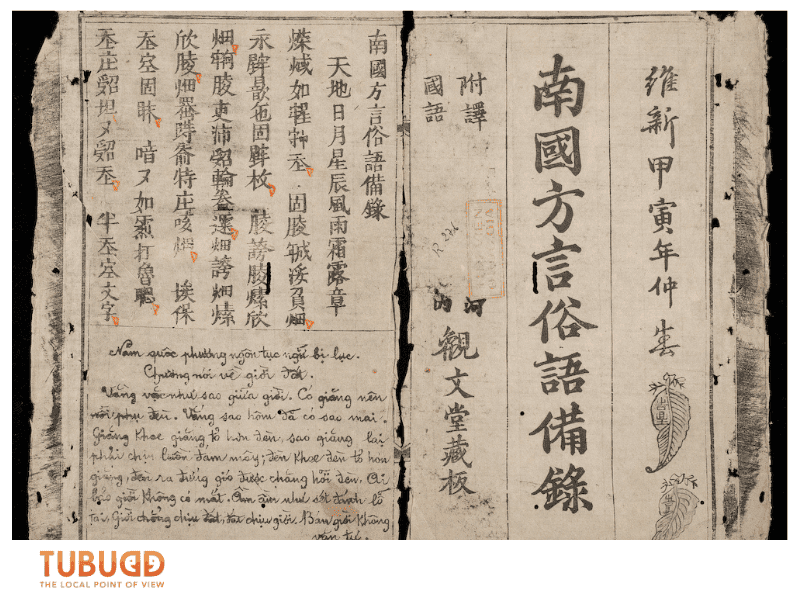
As time passed, a uniquely Vietnamese writing system known as chữ Nôm developed, allowing authors to record the spoken language of the people. This marked a turning point. Literature was no longer only for scholars and elites. It became a bridge between intellectual tradition and everyday life.
From royal courts to village gatherings, literature began to reflect not just power, but people.
Epic Tales, Poetry, and the Voice of the Nation
Epic Tales, Poetry, and the Voice of the Nation
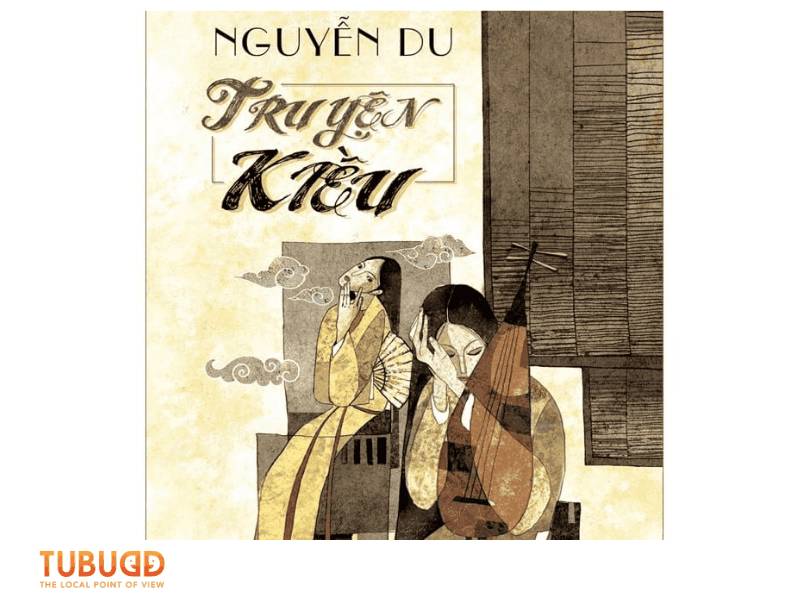
Few works capture the spirit of Vietnamese literature as profoundly as The Tale of Kieu by Nguyen Du. This epic poem is not merely a story of love and fate. It is a mirror of society, a reflection of human struggle, sacrifice, and moral complexity.
Vietnamese poetry, in general, carries a lyrical quality that blends nature, emotion, and philosophy. Mountains, rivers, and seasons are not just settings but symbols of inner life and national identity.
Throughout history, literature has also been a quiet form of resistance. During times of conflict, writers used words as a way to preserve culture, inspire resilience, and express the collective will of the people.
From War to Renewal: Modern Vietnamese Literature
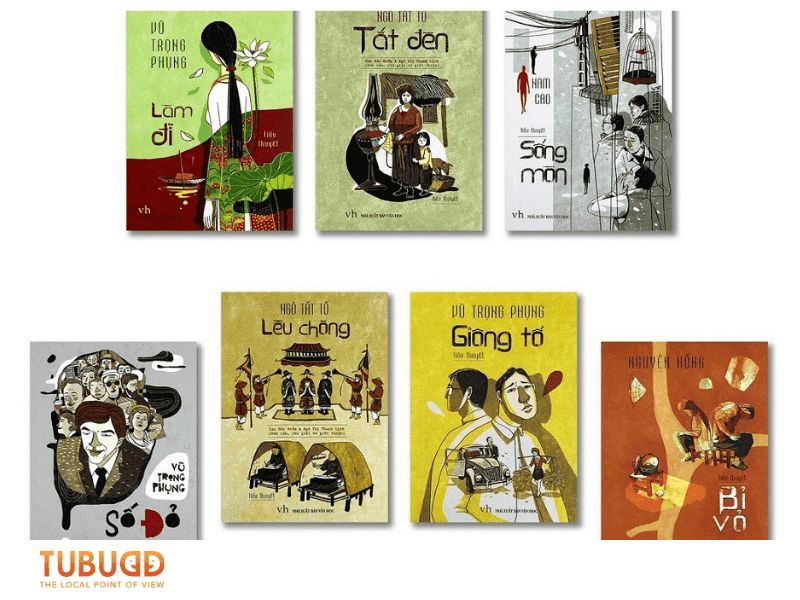
The 20th century brought profound change to Vietnam, and literature evolved alongside it. Works from this period often reflect themes of war, independence, and rebuilding. Writers documented not only historical events but also the emotional landscape of those who lived through them.
From War to Renewal: Modern Vietnamese Literature
In cities like Hanoi, literary circles became spaces for intellectual exchange and cultural preservation. Meanwhile, in Ho Chi Minh City, modern voices began to explore themes of urban life, identity, and globalization.
Today, Vietnamese literature continues to grow, embracing new forms while remaining deeply connected to its roots. Contemporary authors experiment with style and perspective, yet the echoes of history and tradition remain present in their work.
Literature as a Living Memory of Place and People
To read Vietnamese literature is to travel through time and space. It is to walk ancient streets, stand in royal courts, and witness the quiet strength of rural life. Literature captures what monuments cannot always say aloud: the emotions, dreams, and inner worlds of generations.
Many of the settings found in literary works still exist today as historical sites and cultural landmarks. From temples and pagodas to old quarters and ancient towns, these places carry the same atmosphere that once inspired poets and writers.
If you want to go beyond reading and truly feel the stories behind Vietnamese literature, exploring historical sites with a Tubudd local buddy can bring these narratives to life. Walking through real locations while hearing the stories behind them creates a deeper and more immersive understanding of Vietnam’s past.
Conclusion
Vietnamese literature is not just a collection of texts. It is a living archive of a nation’s journey, from ancient dynasties to modern transformation. Through poetry, prose, and storytelling, it preserves the voice of generations and the spirit of Vietnam.
For those who seek to understand Vietnam beyond the surface, literature offers a powerful path. And to truly connect with these stories, there is no better way than to experience them where they were born. Join a journey with a Tubudd local buddy and explore historical sites, cultural landmarks, and hidden corners where the pages of Vietnamese literature come alive in the real world.