Vietnamese Banana: Varieties, Flavors and How Locals Enjoy This Tropical Fruit
Discover Vietnamese banana varieties, their unique flavors, and how this tropical fruit is used in traditional dishes and daily life across Vietnam.
Vietnamese banana is more than a simple tropical fruit. From sweet dessert bananas to starchy cooking varieties, bananas play an essential role in Vietnamese cuisine, culture, and agriculture.
Why Vietnamese Banana Is So Popular
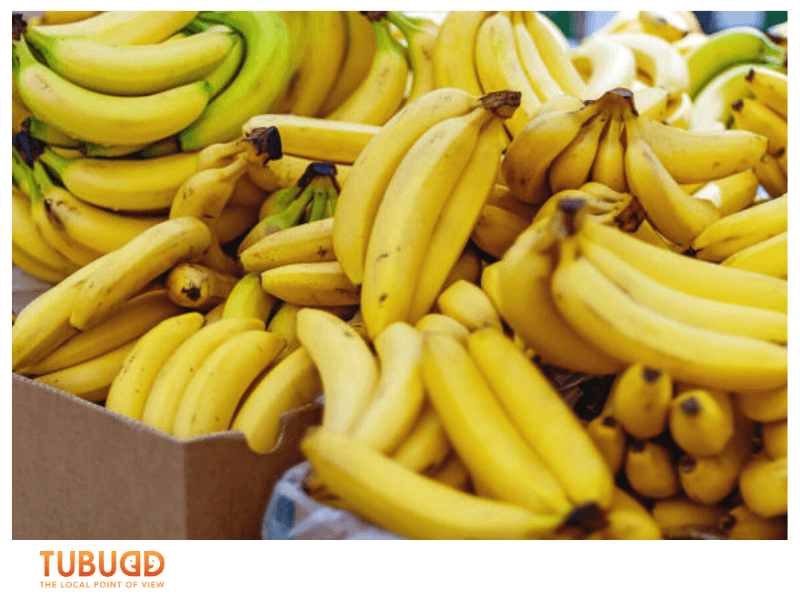
Vietnamese banana is one of the most widely grown and consumed fruits in the country. Thanks to Vietnam’s tropical climate, bananas grow abundantly from the Mekong Delta to the Central Highlands and northern provinces. They are affordable, nutritious, and available all year round, making them a daily staple in many households.
Why Vietnamese Banana Is So Popular
Beyond convenience, bananas also carry cultural meaning. They frequently appear on ancestral altars during Lunar New Year and important ceremonies as symbols of protection and family unity. The curved shape of a banana bunch is often interpreted as hands embracing and supporting other fruits placed in the center of the offering tray.
In rural areas, banana trees are especially valued because almost every part of the plant can be used, from fruit to leaves and even the flower blossom.
Top Vietnamese Banana Varieties You Should Know
Top Vietnamese Banana Varieties You Should Know
Vietnamese banana comes in several varieties, each with distinct taste and culinary uses.
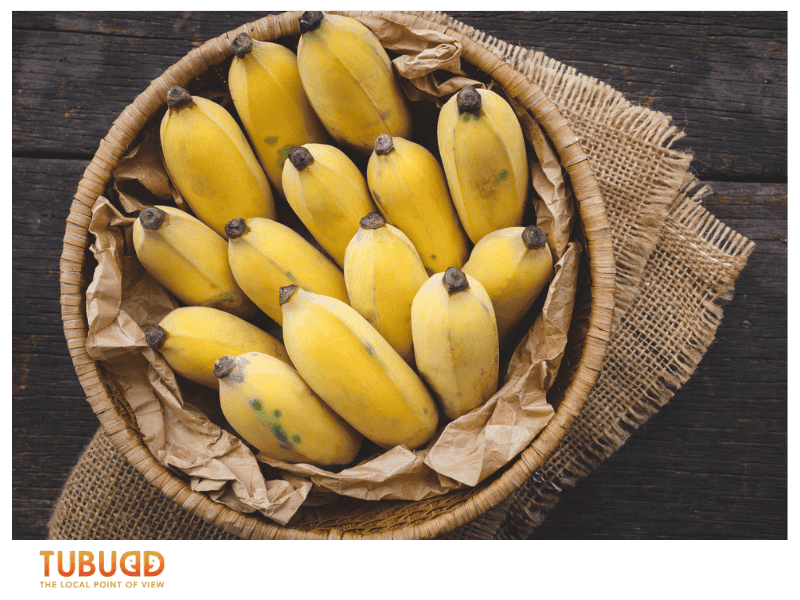
Chuoi Cau is small, short, and very sweet. It has thin yellow skin and soft fragrant flesh. This variety is often eaten fresh as a snack and is especially popular among children because of its natural sweetness.
Chuoi Su, sometimes called lady finger banana, is slightly longer with a firmer texture. It balances sweetness with a mild tangy note. This type is commonly found in markets across southern cities like Ho Chi Minh City.
Chuoi Xiem is thicker and softer when ripe, with a rich aroma and creamy texture. It is widely grown in the Mekong Delta and often used for desserts or sweet soups.
Chuoi Sap is a starchy variety that is usually cooked rather than eaten raw. When steamed or boiled, it becomes dense and mildly sweet, making it ideal for traditional snacks.
Each variety reflects regional growing conditions and local taste preferences, contributing to the diversity of Vietnamese banana culture. A Tubudd Local Buddy can easily help you get a tasty Vietnamese banana from any local market around you.
How Vietnamese Banana Is Used in Local Cuisine
How Vietnamese Banana Is Used in Local CuisineVietnamese banana is incredibly versatile in the kitchen. Ripe bananas are commonly eaten fresh, blended into smoothies, or mixed with yogurt. One of the most beloved street desserts is grilled banana wrapped in sticky rice and coconut milk, offering a combination of smoky, sweet, and creamy flavors.
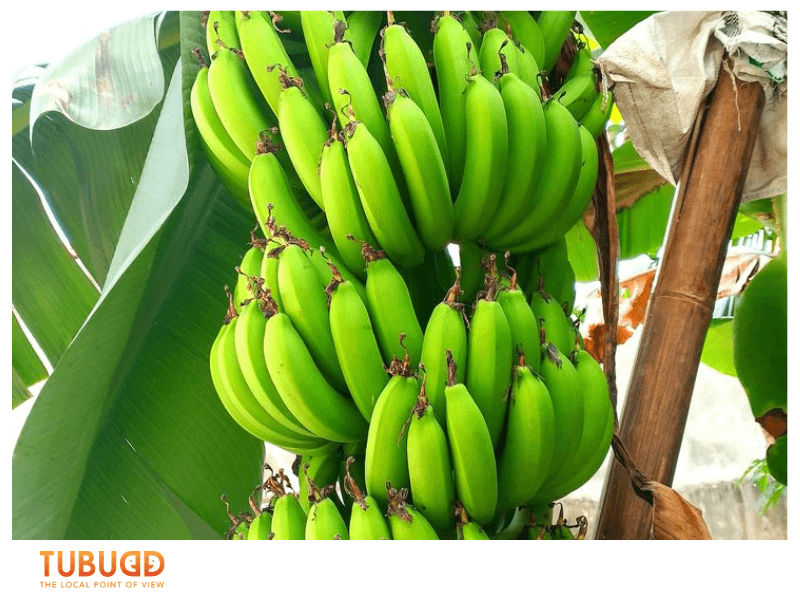
Green unripe bananas are also widely used in savory dishes. They are sliced thinly and added to salads, served with fermented shrimp paste, or cooked in braised fish dishes. The slightly astringent taste of green banana pairs well with rich meats and strong dipping sauces.
Banana blossom, the purple flower at the end of the banana cluster, is shredded and used in fresh salads or noodle soups. It adds crunch and subtle bitterness that balances herbs and proteins.
Banana leaves are another essential component. They are used as natural wrappers for steamed cakes, sticky rice, and fermented pork rolls. The leaves provide a gentle aroma while keeping food moist during cooking.
Nutritional Benefits of Vietnamese Banana
Vietnamese banana is not only delicious but also nutritious. Bananas are rich in potassium, vitamin B6, vitamin C, and dietary fiber. They provide natural energy and are easy to digest, making them a popular snack for students, workers, and athletes.
The high potassium content supports heart health and muscle function. Fiber helps digestion and promotes a feeling of fullness. Because bananas are naturally sweet, they are often used as a healthier alternative to processed desserts.
In traditional belief, bananas are considered cooling fruits that help balance the body during hot weather, which makes them especially appealing in tropical climates.
Where to Find the Best Vietnamese Banana
You can find Vietnamese banana almost everywhere, from street vendors and local markets to supermarkets. In the Mekong Delta region near Can Tho, banana orchards stretch along riverbanks, producing large quantities for domestic consumption and export.
Northern provinces surrounding Hanoi also cultivate unique local varieties suited to cooler seasonal changes. Each region offers slightly different textures and sweetness levels depending on soil and climate conditions.
If you travel through rural areas, you will often see banana trees growing in home gardens, highlighting how deeply integrated this fruit is into daily Vietnamese life.
Conclusion
Vietnamese banana is far more than a simple tropical fruit. With diverse varieties, rich culinary applications, and cultural significance, it plays an important role in both everyday meals and traditional ceremonies. From sweet ripe bananas enjoyed fresh to starchy types used in savory dishes, this humble fruit reflects Vietnam’s agricultural abundance and culinary creativity.
Whether you are exploring bustling city markets or quiet countryside villages, tasting different types of Vietnamese banana is an easy and delicious way to connect with local flavors and traditions.