Vietnam Visa for Chinese Citizens 2026: Requirements & Fees
Do Chinese citizens need a visa for Vietnam in 2026? Learn about e-visa requirements, fees, visa-free group tours to Khanh Hoa, Phu Quoc exemptions and how to apply.
If you are checking the Vietnam visa for Chinese citizens in 2026, the first thing to know is that visa requirements depend on your passport type, destination and travel arrangements. Most Chinese citizens travelling independently to mainland Vietnam should consider applying for an e-visa before departure. However, a new pilot policy introduced in October 2026 allows eligible Chinese tour groups to visit Khanh Hoa without a visa, while Phu Quoc has a separate visa-exemption arrangement. At Tubudd, we recommend confirming which policy applies to your itinerary before booking flights or accommodation.
Do Chinese Citizens Need a Visa for Vietnam in 2026?
Do Chinese Citizens Need a Visa for Vietnam in 2026?
In general, Chinese citizens holding ordinary passports need a visa to visit mainland Vietnam unless they qualify for a specific exemption.
There are three main situations to understand:
Independent travel to mainland Vietnam: An e-visa is generally the most straightforward option for eligible travellers.
Qualifying group tours to Khanh Hoa: Certain Chinese tourists can enter visa-free under a new pilot programme running from October 12, 2026, through December 31, 2027.
Travel to Phu Quoc: Eligible foreign passport holders may qualify for a separate visa exemption for stays of up to 30 days, subject to the applicable entry and itinerary conditions.
Vietnam also has visa-exemption arrangements for certain diplomatic, official and special passport holders. These arrangements differ from those available to ordinary passport holders.
For most Chinese travellers planning an independent holiday, visiting several Vietnamese cities or staying longer than an exemption allows, the e-visa is a practical option.
Vietnam issues e-visas to eligible foreign nationals through its official immigration system.
How long is a Vietnam e-visa valid?
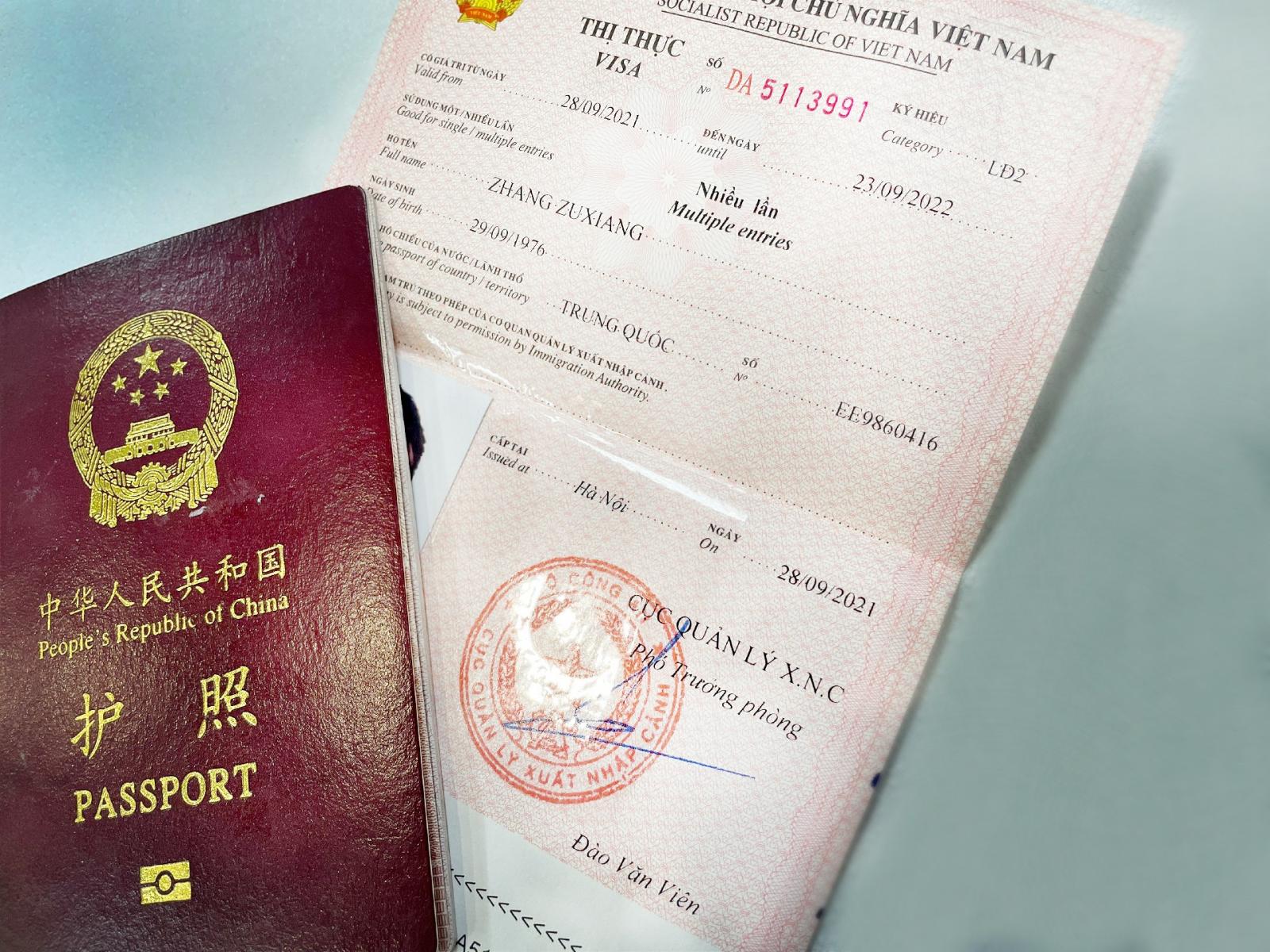
Vietnamese e-visas can be issued for a maximum of 90 days, with either single-entry or multiple-entry permission.
Single-entry e-visa: Allows one entry during the visa's validity period.
Multiple-entry e-visa: Allows multiple entries during the validity period, subject to the visa's conditions.
Your actual permitted stay depends on the dates and details printed on the approved e-visa. A 90-day maximum does not mean every applicant automatically receives a visa valid for 90 days.
If you intend to visit Vietnam, leave for another country and return, check that your approved visa permits multiple entries before making travel arrangements.
How much does a Vietnam e-visa cost?
The standard government e-visa fees listed on Vietnam's official immigration portal are:
E-visa type
Government fee
Single entry
US$25
Multiple entry
US$50
These fees are paid through the official electronic payment system. The application fee is non-refundable if the visa is refused.
Third-party agencies may charge additional service fees. If you apply through an intermediary, check the total cost and understand whether you are paying the government fee, a service fee or both.
Before submitting an application, prepare the information and documents required by the official portal.
A valid passport
You will need a valid passport or other eligible international travel document. Check that your passport details are accurate and that the document will remain valid for your planned journey.
If your passport is close to expiry, confirm the applicable validity requirements before applying.
A digital portrait photograph
The application may require a recent portrait photograph that meets the portal's specifications. Follow the official instructions for image size, background and other technical requirements.
A passport information-page image
Applicants may need to upload an image of the passport's biographical information page. Ensure that the photograph, passport number, name and other details are clear and readable.
Travel and entry information
Be prepared to provide the personal and travel information requested in the application, including your intended entry and exit dates and other relevant details.
Your application should match your passport exactly. Small errors in names, passport numbers or dates can create problems during processing or when travelling.
An eligible entry and exit point
E-visas can be used only at border gates designated for e-visa entry and exit. Check the current official list and confirm that your planned airport or land border crossing is eligible.
Do not assume that every border crossing accepts e-visas simply because it is an international crossing.
How to Apply for a Vietnam E-Visa Online
The application process is completed online through the official Vietnamese immigration portal.
How to Apply for a Vietnam E-Visa Online
Step 1: Access the official website
Go to https://evisa.gov.vn/ and select the option for foreign nationals applying for an e-visa.
Check the website address carefully before entering personal or passport information.
Step 2: Complete the application form
Enter the requested personal details and passport information. Provide your intended travel dates and other required information accurately.
Review your answers before submitting the form.
Step 3: Upload the required images
Upload your passport information-page image and portrait photograph according to the portal's specifications.
Check that both images are clear and that all information can be read easily.
Step 4: Pay the application fee
Pay the applicable government fee through the official electronic payment system. Keep your payment confirmation and application reference for checking the result.
Remember that the application fee is generally non-refundable if your application is refused.
Step 5: Check the application result
Use the official portal to check your application status and retrieve the result when available.
Do not assume that submitting the application means your visa has been approved. Wait for the approved e-visa and carefully review its validity dates, entry type and personal details before departure.
Step 6: Prepare for your journey
Keep a copy of the approved e-visa accessible during your trip, whether digitally or in printed form. Confirm your travel documents and entry arrangements with your airline before departure.
Apply well in advance rather than relying on approval immediately before your flight.
New in 2026: Visa-Free Group Tours to Khanh Hoa
A significant change took effect on October 12, 2026. Under Resolution No. 325/NQ-CP, Vietnam introduced a pilot visa-exemption policy for qualifying Chinese tourists travelling in organised groups to Khanh Hoa Province.
The policy runs from October 12, 2026, through December 31, 2027.
However, this is a limited exemption, not a general visa waiver for all Chinese citizens.
Who qualifies for the visa exemption?
The pilot programme applies to Chinese citizens who meet all the following conditions:
Hold a valid ordinary passport issued by the People's Republic of China. Holders of Hong Kong and Macao Special Administrative Region passports are excluded from this specific programme.
Travel in a group of at least two people.
Participate in a package tour organised by a Vietnamese international travel service provider.
Visit Khanh Hoa Province under the programme.
Arrive on a direct flight from mainland China to Cam Ranh International Airport.
Enter and exit Vietnam through Cam Ranh International Airport, using the same border gate for both movements.
The permitted stay under the programme is up to 30 days.
Can Chinese tourists use this exemption to visit Hanoi or Ho Chi Minh City?
The pilot exemption is specifically limited to tourism in Khanh Hoa. It should not be treated as permission to travel freely throughout Vietnam without a visa.
If you plan to combine Khanh Hoa with destinations such as Hanoi, Da Nang or Ho Chi Minh City, ask the Vietnamese tour operator or immigration authorities whether your proposed itinerary is covered. You may need a separate visa arrangement.
Can Chinese Citizens Visit Phu Quoc Without a Visa?
Phu Quoc has a separate visa-exemption arrangement that may allow foreign passport holders to stay on the island for up to 30 days.
This exemption is subject to specific conditions. Travellers should confirm that their arrival route and intended itinerary qualify before relying on it.
If your trip includes Phu Quoc and other parts of mainland Vietnam, do not assume that the island exemption automatically covers the entire journey. Travelling onward to the mainland may require an appropriate Vietnamese visa.
For a trip that includes several destinations, check the entry conditions for your complete route rather than considering each flight in isolation.
Can Chinese Citizens Get a Vietnam Visa on Arrival?
Visa on arrival should not be treated as a general substitute for applying for an e-visa.
Entry arrangements involving a visa issued at a border may be available in specific circumstances and can require prior approval or sponsorship. Travellers should not assume that they can simply arrive at an airport without a visa and obtain one there.
For ordinary tourism, the e-visa is usually the clearer route for eligible independent travellers. If you need a different visa category for work, study, business or another purpose, consult the appropriate Vietnamese immigration or consular authority before travelling.
How Long Does a Vietnam E-Visa Take to Process?
Processing times can vary depending on the application and the immigration authority's workload. An incomplete form, unclear document images or incorrect personal details may cause delays.
To reduce the risk of missing your departure date:
Submit your application well before travelling.
Check the application status through the official portal.
Avoid booking non-refundable arrangements that depend on receiving a visa by a particular date.
Verify the approved visa's validity dates before departure.
Do not rely on unofficial promises of guaranteed or immediate approval.
Important Travel Tips for Chinese Visitors to Vietnam
Important Travel Tips for Chinese Visitors to Vietnam
Before leaving China, review the details of your trip and make sure your visa or exemption matches your plans.
Check your passport type. Ordinary, diplomatic, official and special passports may be covered by different rules. Hong Kong and Macao travel documents also need to be assessed under their applicable arrangements.
Confirm your entry point. If you hold an e-visa, make sure your planned airport or land border gate is authorised for e-visa entry.
Review your itinerary. A visa exemption for a particular island or organised tour does not necessarily allow travel throughout Vietnam.
Keep your documents accessible. Carry your passport and the relevant visa or exemption documentation while travelling.
Use official sources. Immigration policies can change, especially during pilot programmes. Check the latest government guidance before departure.
Conclusion
The Vietnam visa for Chinese citizens in 2026 depends on passport type and travel plans. For most independent trips to mainland Vietnam, an e-visa of up to 90 days is the main option to consider, with government fees of US$25 for single entry and US$50 for multiple entry. Eligible Chinese group tourists can also benefit from the new visa-free pilot for Khanh Hoa, while Phu Quoc has a separate exemption arrangement. Confirm the conditions that apply to your itinerary before booking. At Tubudd, we help travellers discover Vietnam through experiences tailored to their interests and travel plans. Explore our custom tours in Vietnam to start planning your trip.