How Many Days in Sapa, Vietnam? 2, 3 or 4-Day Itinerary
Wondering how many days in Sapa, Vietnam, you need? Discover the ideal trip length, trekking routes, Fansipan Mountain, ethnic villages, and practical travel tips.
If you are wondering how many days in Sapa, Vietnam, you should plan for two to three days to enjoy the region’s mountain scenery, rice terraces, ethnic minority villages, and local culture without rushing. Two days are enough for the main highlights, while three days allow more time for trekking and exploring the countryside. At Tubudd, we recommend choosing your itinerary based on the season, your fitness level, and whether you prefer mountain adventures or a more relaxed cultural experience.
How Many Days Do You Need in Sapa?
How Many Days Do You Need in Sapa?
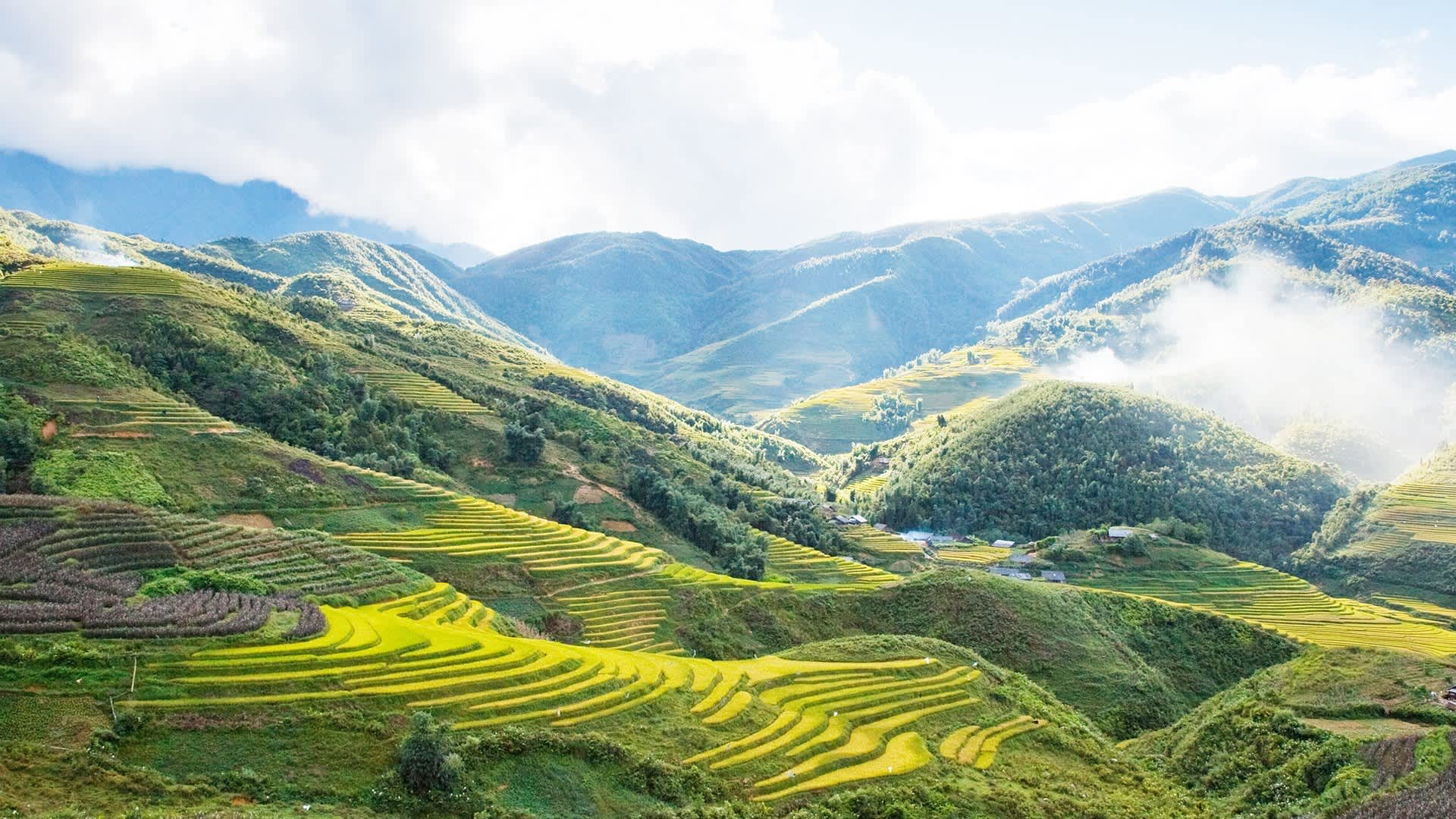
The ideal length of your Sapa trip depends on what you want to experience. Located in Lao Cai Province in northern Vietnam, Sapa is known for its mountainous landscapes, terraced rice fields, traditional villages, and access to Fansipan, the highest mountain in Indochina.
Here is a quick guide to choosing the right trip length:
One day: Best for travelers with very limited time who want to visit Sapa town and one nearby attraction. Traveling from Hanoi and back in a single day is tiring and leaves little time to explore.
Two days: Ideal for first-time visitors who want to see the main attractions, visit a village, and enjoy mountain views.
Three days: Best for travelers who want to combine trekking, village visits, Fansipan, and time to explore at a comfortable pace.
Four days or more: Suitable for travelers who enjoy longer treks, photography, quieter villages, or a slower journey through northern Vietnam.
For most first-time visitors, three days in Sapa is the best balance. You can experience both the popular attractions and the countryside without making every day feel like a race.
Is Two Days Enough for Sapa?
Yes, two days in Sapa can be enough if you plan carefully. You can explore Sapa town, visit one or two nearby villages, and choose either a trek through the rice terraces or a trip to Fansipan Mountain.
However, two days may feel short if you are traveling from Hanoi, especially if your arrival and departure times limit your sightseeing hours.
A practical two-day itinerary might include a village trek on the first day and Fansipan on the second. If the weather is cloudy or rainy, you may need to adjust your plans because mountain views and trekking conditions can change quickly.
If you want a more relaxed experience, staying for three days gives you more flexibility.
Best 3-Day Sapa Itinerary
A three-day itinerary allows you to explore Sapa’s main attractions while leaving enough time for local food, scenic walks, and cultural experiences.
Day One: Explore Sapa Town and Cat Cat Village
Start your trip by exploring Sapa town, a mountain destination surrounded by hills and valleys. Walk through the town center, visit the local market if it is operating, and enjoy views of the surrounding mountains when the weather is clear.
You can also explore the area around Sapa Stone Church, a well-known landmark near the central square. The nearby streets offer cafés, restaurants, souvenir shops, and opportunities to sample local dishes.
In the afternoon, visit Cat Cat Village, located a short distance from the town center. The village is known for its traditional-style buildings, streams, and mountain scenery. The walk includes slopes and steps, so comfortable shoes are recommended.
Cat Cat is a popular visitor destination, and some areas have been developed for tourism. If you want a more immersive cultural experience, consider joining a local guide who can explain the traditions and daily life of communities in the surrounding region.
Finish the day with a local dinner. Sapa’s cooler climate makes it a pleasant place to try grilled dishes, hotpot, and regional specialties.
Day Two: Trek Through Muong Hoa Valley and Local Villages
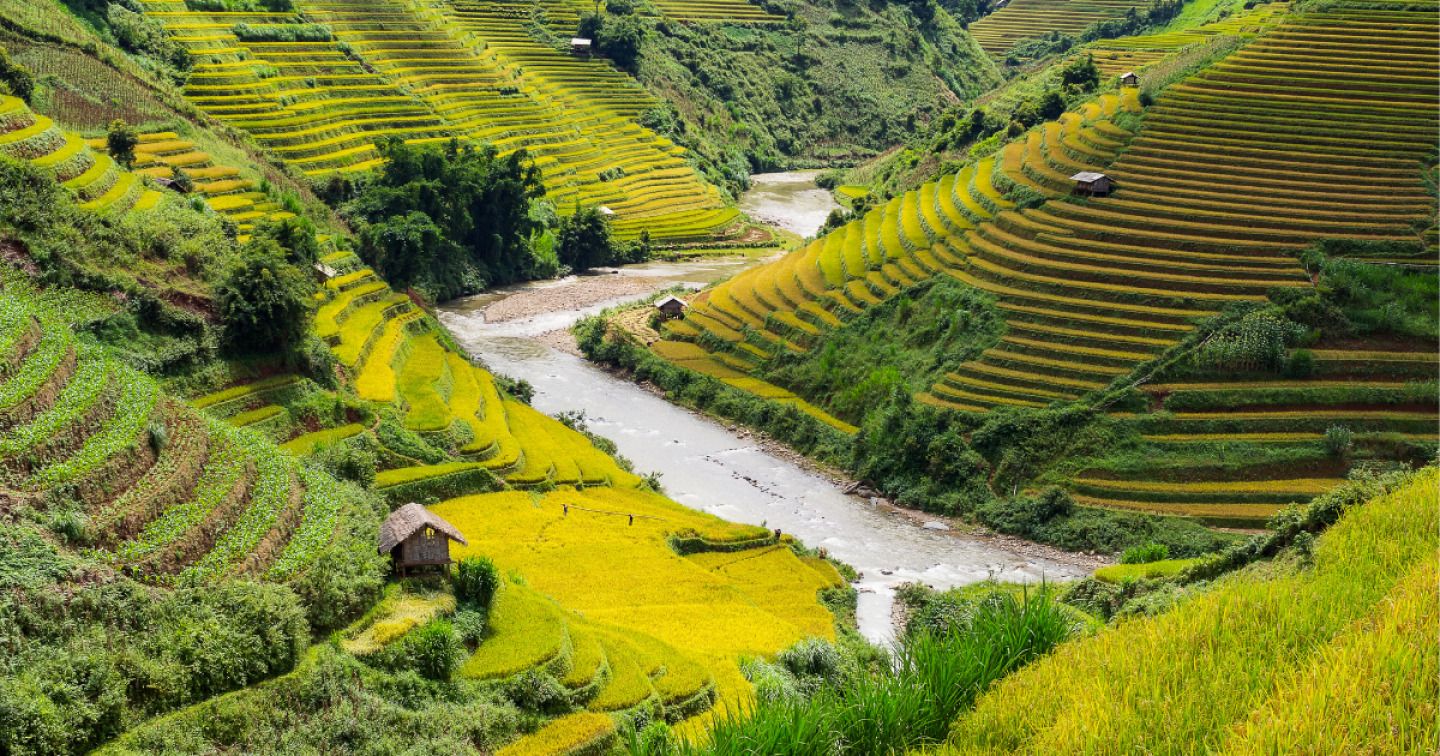
Spend your second day exploring Muong Hoa Valley, one of Sapa’s best-known areas for rice terraces and village trekking.
The valley contains terraced fields, mountain streams, and settlements associated with ethnic minority communities, including Hmong and Giay people. The landscape changes throughout the year, so the scenery you see depends on the agricultural season and weather.
A guided trek may take you through villages such as Lao Chai and Ta Van. Along the way, you can observe traditional houses, farming landscapes, and daily activities in the countryside.
The length and difficulty of the trek depend on your route. Some walks are suitable for travelers with moderate fitness, while longer routes can involve steep slopes, muddy paths, and uneven terrain.
Consider staying overnight in a local homestay if you want more time in the valley. This can provide a different perspective on Sapa compared with staying only in the town center, although facilities and comfort levels vary between properties.
Travel tip: Ask your guide about the route distance, elevation changes, footwear, and expected weather before setting off. Do not assume every trekking route is suitable for all fitness levels.
Day Three: Visit Fansipan Mountain or Explore More of Sapa
Day Three: Visit Fansipan Mountain or Explore More of Sapa
On your final day, choose between a trip to Fansipan Mountain and a more relaxed day exploring Sapa’s surroundings.
Fansipan reaches approximately 3,143 meters above sea level and is the highest mountain in Vietnam. Many visitors use the cable car system to reach the upper mountain area, where viewpoints and religious structures offer a different experience from village trekking.
Check the weather and operating status before traveling. Fog and cloud cover can affect visibility, and the mountain may feel significantly colder than Sapa town.
If you prefer to avoid the crowds or have already visited Fansipan, consider spending the day exploring more villages, enjoying a café with mountain views, or visiting a local market if one is operating.
You could also use the extra time to walk around the town and shop for locally made textiles or other regional products. When buying handmade items, consider asking about their origin and the communities involved in making them.
If you need to return to Hanoi on the third day, leave enough time for the transfer and avoid scheduling attractions too close to your departure.
What to Do If You Have Only One Day in Sapa
If your schedule only allows one day, focus on a small number of attractions rather than attempting to see everything.
Start early in Sapa town, visit Cat Cat Village or take a short guided walk nearby, and leave time for lunch and a stroll through the central area.
Alternatively, prioritize Fansipan if the weather is suitable and the cable car is operating. Allow enough time for transport, queues, and exploring the mountain.
If you are traveling from Hanoi, consider arriving in Sapa the previous evening. This gives you a full sightseeing day and avoids spending most of your limited time on the road.
A one-day visit is possible, but it is not the best choice if your main goal is trekking through the rice terraces or spending time in remote villages.
Can You Spend Four Days in Sapa?
Four days in Sapa is a good option for travelers who want to explore beyond the main tourist attractions.
You can use the extra day for a longer trek, visit villages farther from the town center, or stay overnight in a homestay in the valley. A slower itinerary is especially useful for photography, nature walks, and travelers who want to learn more about local culture.
Depending on the season and your interests, you could also explore quieter mountain routes with a local guide. Choose routes according to your fitness level and current trail conditions rather than distance alone.
Four days also give you more flexibility if rain, fog, or transport delays affect your plans. However, if you are mainly interested in Sapa town, Cat Cat Village, and Fansipan, three days may be sufficient.
Best Time to Visit Sapa
Best Time to Visit Sapa
Sapa can be visited throughout the year, but weather conditions and rice-field scenery vary by season.
March to May generally offers spring landscapes and milder temperatures. It can be a pleasant period for walking and exploring villages, although weather conditions remain changeable.
June to August is often green and lush, with rice terraces developing through the growing season. This period can also bring heavy rain, slippery trekking paths, and limited visibility.
September to October is a popular time for travelers who want to see the rice terraces turn golden around harvest season. The exact timing varies by location and agricultural conditions, so golden fields are not guaranteed on specific dates.
November to February can be cold, foggy, and damp. The atmosphere can be beautiful, but mountain views may be limited, and warm clothing is essential. Snow is possible during unusual cold spells but should not be expected.
If trekking is your priority, check the forecast shortly before departure and be prepared to change your route if conditions become unsafe.
How to Get to Sapa From Hanoi
Sapa is commonly reached from Hanoi by sleeper bus, limousine van, or a combination of train and road transport.
Sleeper buses are a popular option for travelers who want to travel overnight and arrive in the morning. Journey times vary with traffic, weather, and the operator.
Limousine vans can offer a more comfortable road transfer, although the available seating and pickup arrangements differ between companies.
Train travel usually involves taking a train from Hanoi to Lao Cai and then transferring by road to Sapa. This option can be appealing if you prefer rail travel, but it requires additional planning for the final part of the journey.
For most visitors, it is worth arriving in Sapa the evening before a full sightseeing day or taking an overnight bus. This helps maximize your time in the mountains.
Book transport ahead during weekends, public holidays, and busy travel periods. Confirm the departure point, luggage allowance, and arrival arrangements before paying.
Where to Stay in Sapa
Your accommodation location can influence how much time you spend traveling between attractions.
Sapa town center is convenient for first-time visitors who want easy access to restaurants, cafés, shops, and transport. It is a practical base for a short two- or three-day trip.
Muong Hoa Valley is a better choice for travelers who prioritize rice terraces, trekking, and quieter surroundings. Homestays in the valley can offer scenic views and a closer connection to rural life, but facilities vary.
Ta Van and nearby villages are suitable for travelers who want to spend more time in the countryside. Staying here may require additional planning for transport, especially if you have an early departure or want to visit Fansipan.
For a first visit of three days, staying in Sapa town and arranging a guided day trek is a convenient option. If cultural experiences and countryside walks are your priority, consider spending at least one night in a village homestay.
How Much Does a Sapa Trip Cost?
The cost of a Sapa trip depends on your accommodation, transport, activities, and whether you hire a private guide.
For a rough planning estimate, budget travelers may spend around VND 700,000–1,200,000 per person per day, while mid-range travelers may spend around VND 1,500,000–3,000,000 or more per day. These are indicative estimates, not fixed prices, and may exclude some transport, cable car tickets, or private excursions.
Your budget may include:
Transport between Hanoi and Sapa
Hotel or homestay accommodation
Meals and drinks
Local transfers to trekking starting points
Guided trekking experiences
Fansipan cable car tickets, if included in your itinerary
Compare the inclusions before booking. A low-cost trek may not include meals, entrance fees, or private transport, while a private guided tour may cost more but provide greater flexibility.
Practical Tips for Planning Your Sapa Trip
Practical Tips for Planning Your Sapa Trip
Pack layers because temperatures can change considerably between Sapa town and higher mountain areas. Bring a waterproof jacket, comfortable walking shoes, and extra socks if you plan to trek.
Hire a reputable local guide if you want to explore rural trails or learn about the communities you visit. Follow local advice on weather, trail conditions, and photography etiquette, particularly when visiting homes or private agricultural land.
Do not underestimate walking distances or the difficulty of muddy paths after rain. If you have limited mobility or prefer a gentler trip, choose shorter routes and confirm the terrain before booking.
Finally, leave some flexibility in your itinerary. Fog, rain, and transport schedules can affect outdoor activities, and the best Sapa experiences often come from slowing down rather than fitting in every attraction.
Conclusion
So, how many days in Sapa, Vietnam should you plan? Two days is enough for a short introduction to the town and its main attractions, while three days gives you the best balance of trekking, cultural experiences, and mountain scenery. Four days is ideal if you want a slower pace or more time in local villages. Whatever length you choose, consider the season, your fitness level, and the time needed to travel from Hanoi. To combine Sapa with other destinations or create a trip around your interests, explore Tubudd’s customised tours for a more personalized Vietnam travel experience.