Why Is My Vietnam Visa Taking So Long? Reasons and What to Do
Wondering why your Vietnam visa is taking so long? Discover common eVisa delays, processing times, and what to do if your application is still pending.
You have submitted your Vietnam eVisa application, paid the required fee, and are waiting for approval. However, several days have passed, and your application status has not changed. So, why is your Vietnam visa taking so long? Although Vietnam's official eVisa processing time is relatively short, delays can happen due to incorrect information, document issues, additional verification, or public holidays. This guide explains the common reasons for delays and what you can do to avoid disrupting your travel plans.
How Long Does a Vietnam eVisa Take to Process?
How Long Does a Vietnam eVisa Take to Process?
According to Vietnam's Ministry of Public Security, the standard processing deadline for an eVisa is three working days after the Immigration Department receives the complete application information and payment.
However, this is not a guarantee that every application will be approved within three days. Processing may take longer if additional checks or corrections are required.
Remember that weekends and Vietnamese public holidays are not counted as working days. For example, an application submitted on Friday may only begin processing on the following Monday.
If your application has been pending for more than three working days, check its status and make sure no further information is required.
Why Is My Vietnam Visa Taking So Long?
There are several reasons why your Vietnam eVisa may be delayed. Understanding them can help you identify the problem and decide what to do next.
1. Incorrect Application Information
Small mistakes in your application can create verification issues. Common examples include:
Misspelled names or incorrect name order
Wrong passport numbers or dates of birth
Incorrect passport expiry or travel dates
Mismatched nationality or passport information
Make sure every detail matches your passport exactly. Even minor inconsistencies may require further review.
2. Unclear or Incorrect Documents
Vietnam's eVisa application requires a portrait photograph and a scan of your passport's personal information page.
Blurry images, cropped passport details, glare, or photographs that do not meet the requirements can affect the verification process. Always upload clear, complete images in the formats specified by the official application portal.
3. Additional Immigration Verification
Some applications require additional checks before a decision can be made. This does not necessarily mean your application has been rejected or that you have made a mistake.
If your documents and personal information are correct but the status remains unchanged, your application may simply require more time for review.
4. High Application Volume
Processing delays can occur during busy travel periods, including Christmas, New Year, Lunar New Year, and summer holidays.
When application volumes increase, some travellers may experience longer waiting times than the standard processing estimate.
5. Weekends and Vietnamese Public Holidays
The official processing period is calculated in working days, not calendar days.
If you apply shortly before a weekend or Vietnamese public holiday, your application may take longer than expected. Check the holiday calendar when planning your submission, especially around Tet.
6. Payment or Submission Problems
Completing the application form does not automatically mean it has entered the processing stage.
You must also complete the required payment. If the transaction fails or is not properly recorded, your application may not proceed as expected.
Check your payment confirmation, application code, and status on the official portal.
What Does Your Vietnam eVisa Application Status Mean?
Checking your application status is the first step towards understanding a delay.
Include your application code, submission date, and a brief explanation of the delay.
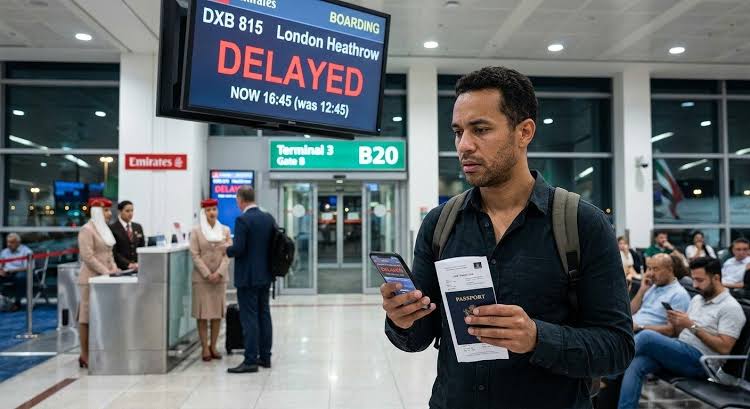
What If My Vietnam Visa Is Still Pending and My Flight Is Near?
A delayed eVisa can become stressful when your departure date is approaching.
If your flight is within the next few days, check your application status and contact the Immigration Department as soon as possible. You should also contact your airline to confirm its travel document requirements.
Keep your flight itinerary and payment confirmation available in case they are needed.
Most importantly, do not assume that a payment receipt or pending application is sufficient for boarding. If your nationality requires a visa, you generally need an approved visa before travelling to Vietnam.
If you need help understanding your application or exploring possible next steps, a professional visa support provider may be able to assist. However, only Vietnamese immigration authorities can approve and issue your eVisa.
How to Avoid Vietnam eVisa Delays
How to Avoid Vietnam eVisa Delays
Although not every delay can be prevented, these simple precautions can reduce the risk of avoidable problems:
Apply early: Submit your application at least one to two weeks before departure.
Check passport details: Ensure all personal information matches your passport.
Upload clear documents: Avoid blurry photographs or incomplete passport scans.
Confirm payment: Keep your payment receipt and application code.
Monitor your status: Check the official portal regularly.
Use the official website: Apply through https://evisa.gov.vn/ to avoid unofficial websites and unnecessary service fees.
Conclusion
If your Vietnam visa is taking longer than expected, the delay may be caused by incorrect application details, document issues, additional immigration checks, high application volume, or public holidays. Although the official processing deadline is three working days after the complete application and payment are received, some cases may take longer. Check your application status, review your documents, and contact the Immigration Department if the delay continues. For additional guidance with your Vietnam eVisa application, explore Tubudd's Vietnam visa support services and prepare for your journey with greater confidence.