Vietnamese Noodles: How to Explore Vietnam Through Its Most Iconic Dishes
Discover Vietnamese noodles and learn how to explore Vietnam through regional noodle dishes, local tips, and authentic food experiences.
Vietnamese noodles are more than just food. They are a map of culture, region, and daily life that every traveler should experience.
Why Vietnamese Noodles Are the Best Way to Understand Local Culture
Why Vietnamese Noodles Are the Best Way to Understand Local Culture
When people first visit Vietnam, they often start with famous landmarks. But locals will tell you something different: if you want to understand Vietnam, start with a bowl of noodles.
Vietnamese noodles are not just meals. They are routines. Early morning streets filled with steam from broth, midday quick lunches, late night comfort food. Each bowl reflects a rhythm of life.
Unlike standardized dishes in many countries, Vietnamese noodles change from region to region. Climate, available ingredients, and local taste preferences all shape how noodles are prepared. This means that eating noodles while traveling is not repetitive. It is a journey.
Northern, Central, and Southern Styles You Should Know
Northern, Central, and Southern Styles You Should Know
Vietnamese noodles vary significantly depending on where you are.
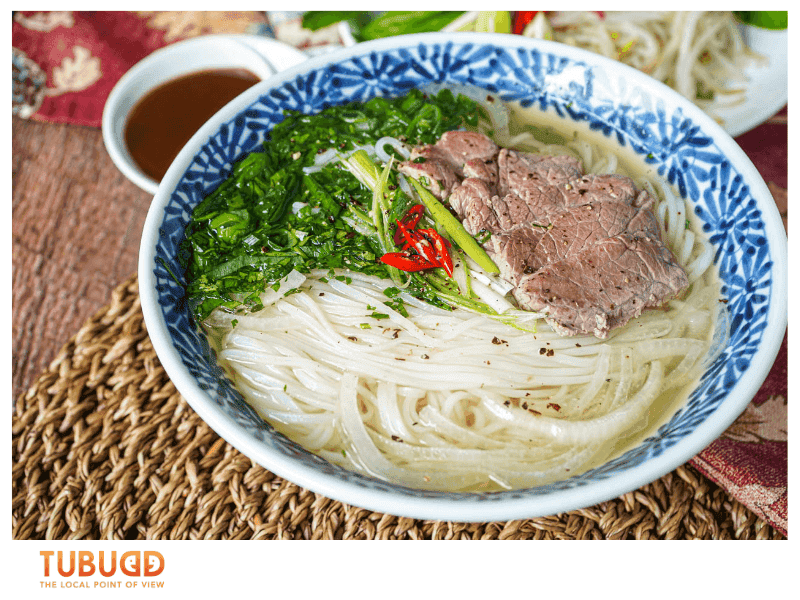
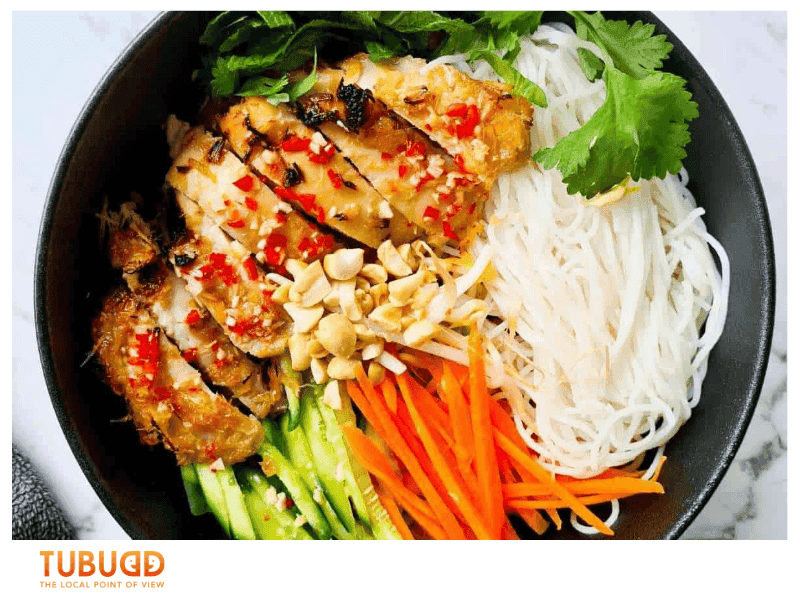
In Hanoi, flavors tend to be lighter and more balanced. Phở here is often subtle, focusing on clear broth and natural sweetness from bones and herbs rather than heavy seasoning. Dishes like bún chả reflect this balance, combining grilled meat with fresh herbs and dipping sauce.
Moving to central Vietnam, especially Hue, flavors become stronger and more complex. Bún bò Huế is a perfect example, with spicy broth, lemongrass aroma, and deeper layers of flavor. Food here often reflects a more intense culinary identity.
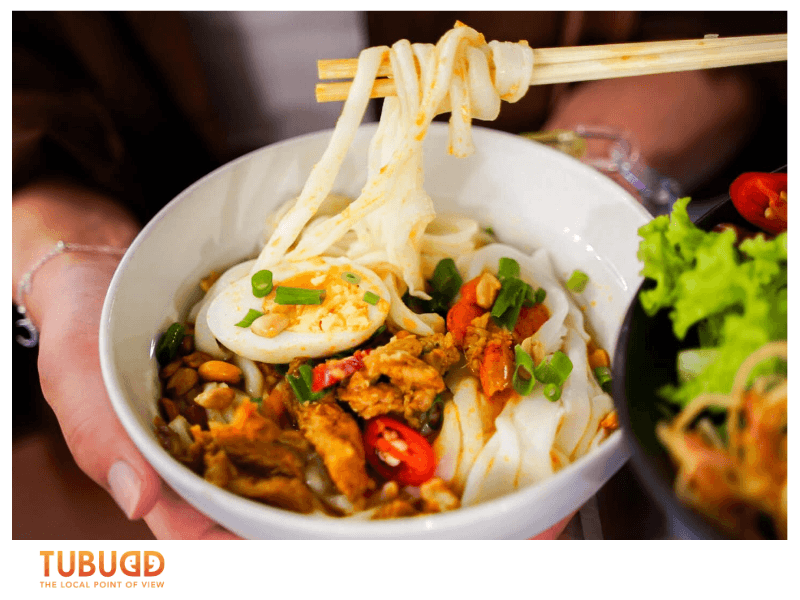
In the south, particularly Ho Chi Minh City, noodle dishes tend to be sweeter and more flexible. Hủ tiếu can vary widely depending on vendor, with options for dry or soup versions, seafood or pork, and customizable toppings.
Understanding these regional differences helps you appreciate not just the food, but the culture behind it.
Where to Find the Best Vietnamese Noodles as a Traveler
Where to Find the Best Vietnamese Noodles as a Traveler
One of the biggest mistakes travelers make is only eating noodles in tourist restaurants. While convenient, these places often simplify flavors.
For a more authentic experience, look for small local eateries with simple setups. Plastic stools, busy kitchens, and fast turnover are usually good signs. Morning markets and street corners are often the best places to find traditional recipes that have not been adapted for tourists.
Timing also matters. Many noodle dishes are tied to specific times of day. Phở is often best in the morning, while other dishes are enjoyed throughout the day.
If you are unsure where to go, observing where locals gather is one of the most reliable strategies.
If you want to go beyond tourist restaurants and discover where locals actually eat, exploring Vietnamese noodles with a Tubudd local buddy can help you find hidden spots and understand the stories behind each dish.
How to Order and Eat Like a Local
Eating Vietnamese noodles is interactive. Herbs, lime, chili, and sauces are usually served on the side, allowing you to adjust flavor to your preference.
Do not be afraid to experiment. Adding herbs changes aroma, lime adds freshness, and chili brings heat. Each adjustment creates a slightly different version of the same dish.
Chopsticks are standard, but spoons are always available for broth. Watching how locals eat can quickly help you adapt.
Understanding a few keywords on menus can also make ordering easier and more enjoyable.
Conclusion
Vietnamese noodles are not just something to try once. They are something to explore continuously across your journey in Vietnam.
From the subtle flavors of Hanoi to the bold dishes of Hue and the diverse styles of Ho Chi Minh City, each bowl offers a different story.
If you approach Vietnamese noodles with curiosity rather than just hunger, they can become one of the most memorable parts of your travel experience.