What Is Vietnamese Family Traditions? A Guide to Culture, Values, and Daily Life
Learn what Vietnamese family traditions are, including core values, customs, and how family life shapes culture in Vietnam.
Vietnamese family traditions are deeply rooted in respect, community, and cultural values. Understanding these traditions helps travelers connect more meaningfully with local life in Vietnam.
What Is Vietnamese Family Traditions
What Is Vietnamese Family TraditionsVietnamese family traditions refer to the cultural values, customs, and daily practices that shape family life in Vietnam. These traditions are influenced by Confucian principles, which emphasize respect for elders, strong family bonds, and social harmony.
Family is considered the foundation of society in Vietnam. Multiple generations often maintain close relationships, even if they do not live under the same roof. Decisions are frequently made with the family’s well being in mind rather than individual preference.
Respect is expressed through language, behavior, and daily interactions. Younger members are expected to show politeness and obedience to older relatives, while elders provide guidance and support in return.
Core Values in Vietnamese Family Life
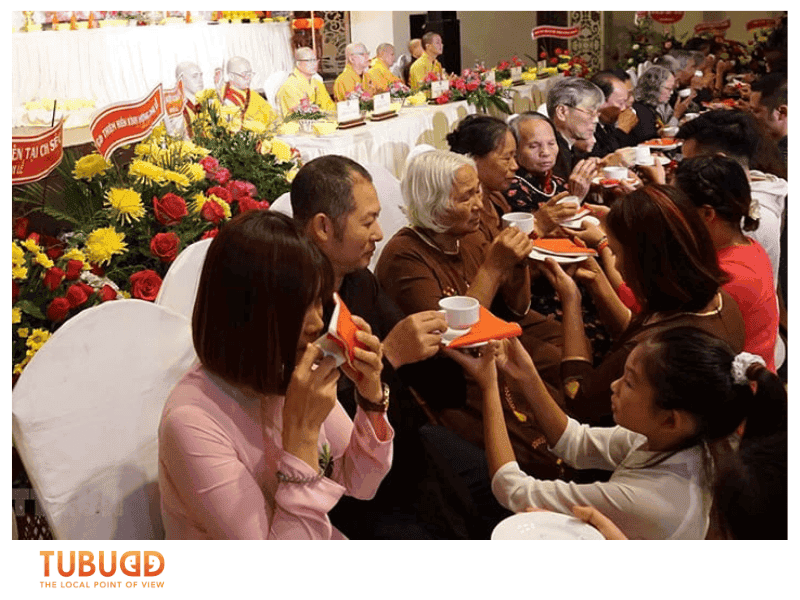
One of the most important values in Vietnamese family traditions is filial piety, which means respecting and caring for parents and ancestors. Children are taught from a young age to honor their elders and contribute to the family’s reputation.
Core Values in Vietnamese Family Life
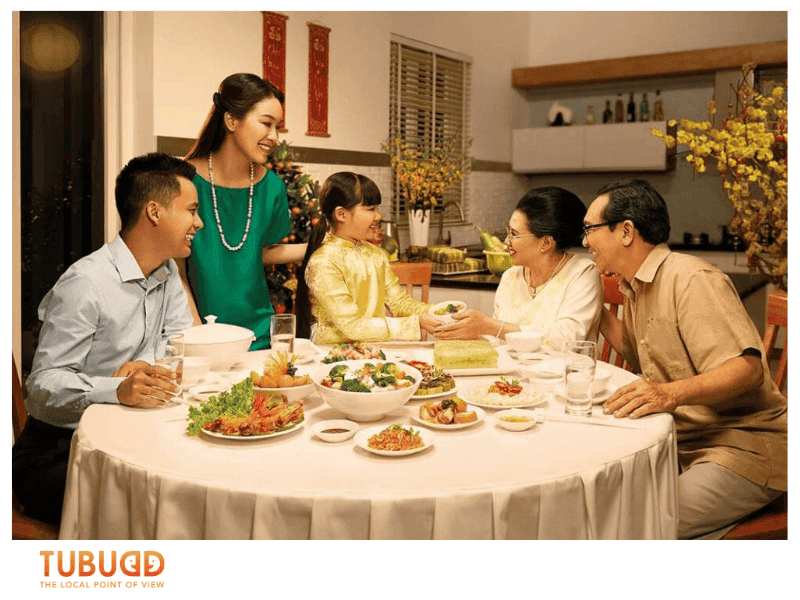
Another key value is togetherness. Families often gather for meals, celebrations, and important occasions. Even in modern cities like Hanoi and Ho Chi Minh City, family connections remain strong despite busy lifestyles.
Responsibility is also central. Each member has a role within the family, whether it is providing financial support, taking care of children, or maintaining family traditions. These shared responsibilities help strengthen long term bonds.
Important Vietnamese Family Traditions and Customs
vietnamese-family-traditions (3).png
Many Vietnamese family traditions are tied to rituals and celebrations. One of the most significant is ancestral worship. Families maintain altars in their homes where they offer incense, food, and prayers to honor deceased relatives.
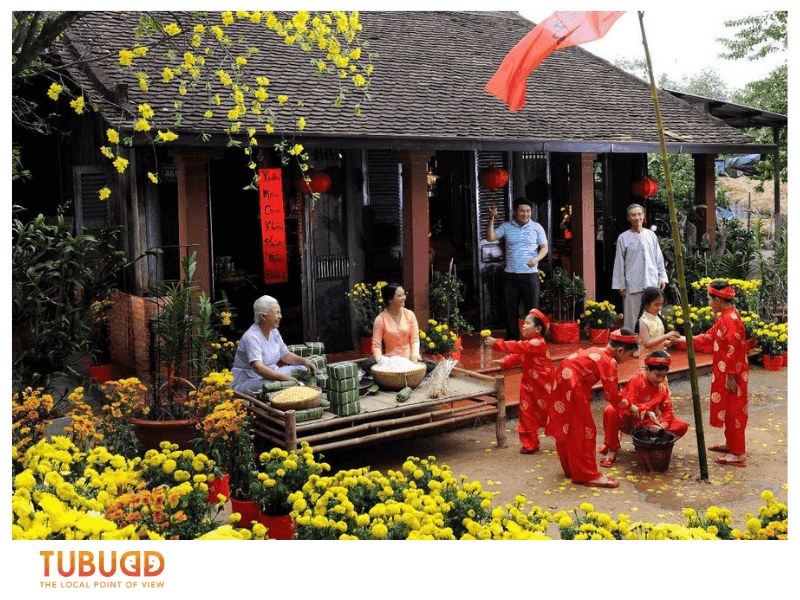
Another important tradition is celebrating Tet, the Vietnamese Lunar New Year. During this time, families clean their homes, prepare special foods, and reunite with relatives. It is considered the most important occasion for strengthening family ties.
Weddings, funerals, and anniversaries are also deeply rooted in tradition. These events are often organized with the involvement of extended family members and follow cultural practices that have been passed down for generations.
Daily customs, such as sharing meals together and addressing family members with specific titles based on age and relationship, also reflect the importance of respect and hierarchy.
How Vietnamese Family Traditions Are Changing Today
While traditional values remain strong, Vietnamese family traditions are gradually evolving. Urbanization, globalization, and modern lifestyles have influenced how families live and interact.
Younger generations may have more independence in choosing careers or lifestyles, especially in large cities. However, respect for family and elders continues to play an important role.
Technology has also changed communication patterns, allowing families to stay connected even when living far apart. Despite these changes, core values such as respect, loyalty, and family unity remain deeply embedded in Vietnamese culture.
Conclusion
Understanding what Vietnamese family traditions helps reveal the heart of Vietnamese culture. From respect for elders to strong family connections and meaningful rituals, these traditions shape both daily life and important milestones.
If you want to truly understand Vietnamese family traditions beyond what you read, explore local life with a Tubudd local buddy who can share real stories, customs, and daily experiences. Traveling with a local helps you connect deeper with Vietnamese culture and see how traditions are lived, not just explained.