Vietnam Food Guide 2026: 8 Must-Try Dishes Beyond Pho and Banh Mi
Explore this Vietnam food guide with must-try dishes in 2026, from pho and bun cha to cao lau, com tam, mi Quang, and regional street food favorites.
Looking for a reliable Vietnam food guide must try dishes 2026? Vietnamese cuisine changes dramatically from north to south, and some of the best dishes are tied closely to local history, climate, and everyday habits. This guide highlights eight dishes worth planning your trip around.
1. Start with the Classics: Pho, Bun Cha, and Banh Mi
Any Vietnam food guide must try dishes 2026 should begin with the dishes travelers already know, but the key is understanding where and how to eat them.
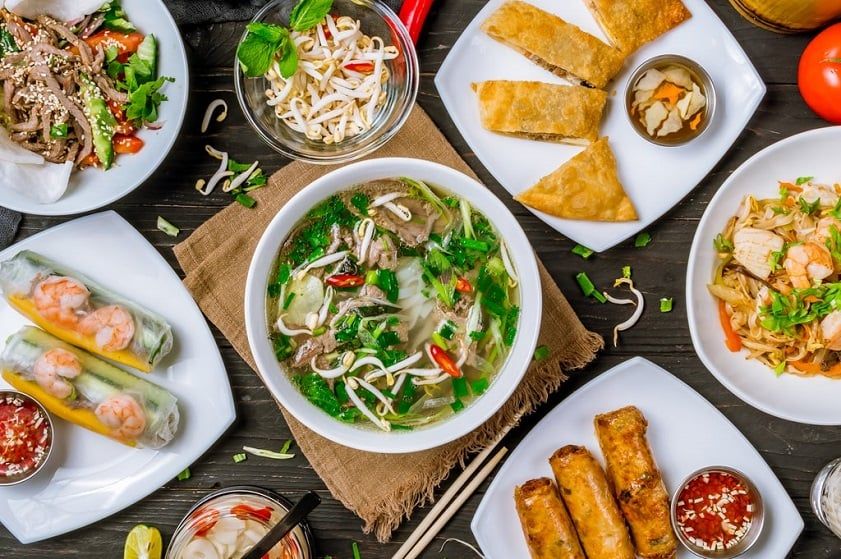
Pho
Pho in Viet Nam
Pho is available across Vietnam, but northern and southern styles can taste very different.
In Hanoi, pho is often cleaner and more restrained, with the broth taking center stage. In the south, bowls may come with more herbs, bean sprouts, and condiments.
Try it for breakfast at a busy local shop rather than treating it only as a dinner dish.
Bun Cha
Bun cha is strongly associated with Hanoi and is one of the best dishes for first-time visitors.
Grilled pork is served with rice noodles, fresh herbs, and a light dipping broth. The best places are often simple neighborhood restaurants where the grill is constantly working during lunch.
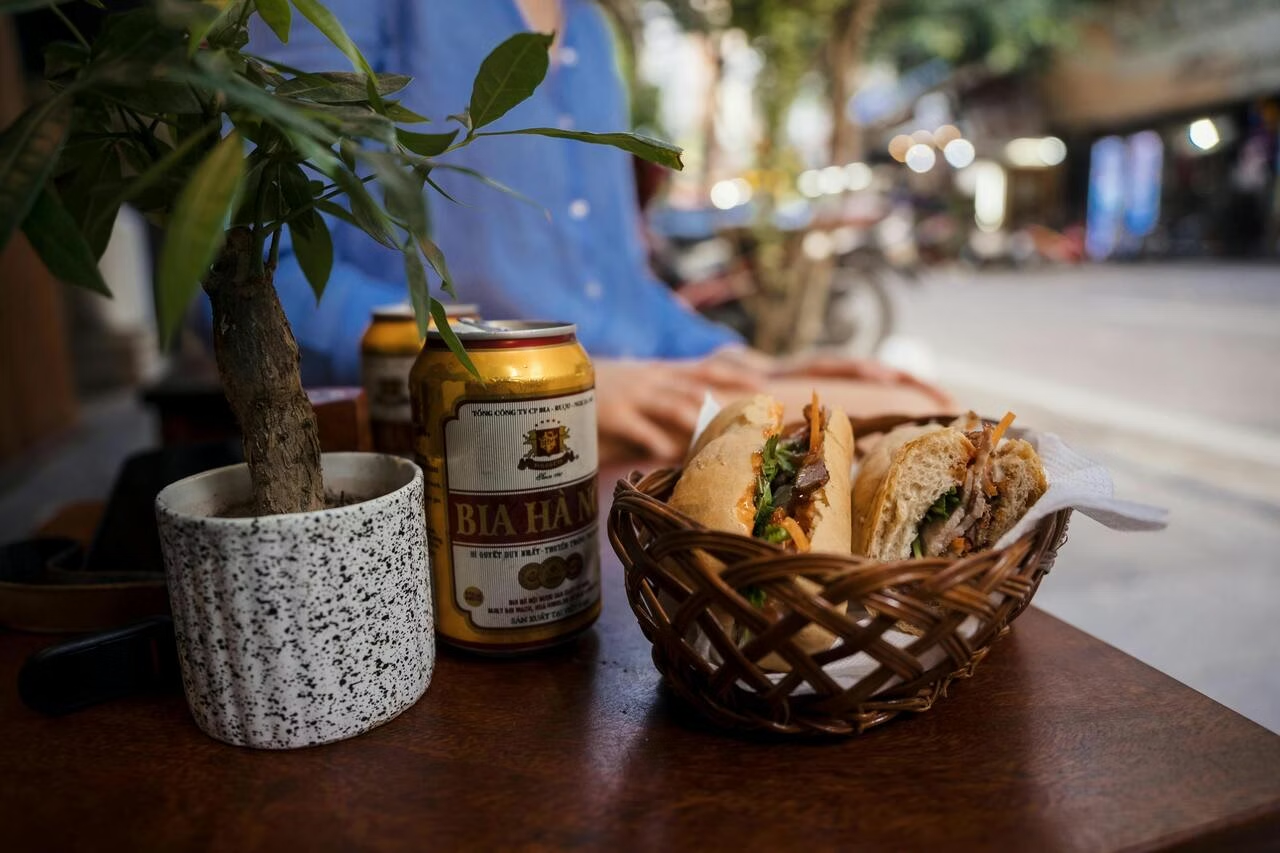
Banh Mi
Banh Mi
Banh mi is one of Vietnam’s easiest meals to eat on the go.
The fillings vary by region and shop, but you may find pork, pate, cold cuts, eggs, pickled vegetables, herbs, and chili inside a crisp baguette.
It is fast, affordable, and ideal for busy travel days.
2. Taste Central Vietnam Through Mi Quang, Cao Lau, and Bun Bo Hue
Central Vietnam has some of the country’s most distinctive regional food.
If your 2026 itinerary includes Da Nang, Hoi An, or Hue, these dishes deserve space in your schedule.
Mi Quang
Mi Quang comes from Quang Nam and the Da Nang area.
Unlike a noodle soup with lots of broth, mi Quang usually contains only a small amount of intensely flavored liquid, combined with noodles, herbs, peanuts, crispy rice crackers, and proteins such as chicken, pork, or shrimp.
It is one of those dishes that makes more sense once you eat it in Central Vietnam.
Cao Lau
Cao Lau is closely connected to Hoi An.
Thick noodles are served with pork, greens, herbs, and crispy toppings. Its texture and flavor are quite different from pho or bun dishes, making it a good choice for travelers who want something regionally specific.
Bun Bo Hue
Bun bo Hue is richer and more aromatic than many northern noodle soups.
The broth typically has a stronger lemongrass character and a noticeable chili kick. Despite the name, the dish is not simply “beef noodles from Hue.” It is a major part of the city’s culinary identity.
If you only have one day in Hue, food should be part of the itinerary, not just an afterthought.
3. Go South for Com Tam and Hu Tieu
Southern Vietnamese food is generally bold, generous, and easy to love.
Ho Chi Minh City is especially good for trying dishes that reflect the city’s mix of regional influences.
Com Tam
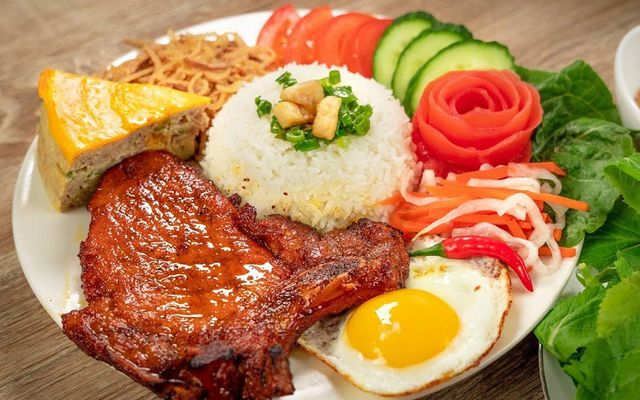
Com Tam
Com tam, or broken rice, is one of Saigon’s most recognizable everyday meals.
A typical plate may include grilled pork, egg, shredded pork skin, pickles, and fish sauce. It is especially popular for breakfast or lunch, although you can find it throughout the day.
The dish is simple, but that is exactly why it is so satisfying. A good plate depends on the grill, the rice texture, and the balance of the fish sauce.
Hu Tieu
Hu tieu appears in many forms in Southern Vietnam.
You may find it with broth, served dry with sauce, or topped with combinations of pork, seafood, and herbs.
Different restaurants have their own style, so it is worth trying more than one version if you spend several days in Saigon.
A local food walk can be especially useful here because some of the best hu tieu shops are tucked into residential streets rather than tourist areas.
4. How to Eat More Locally in Vietnam in 2026
A good Vietnam food guide must try dishes 2026 should not only tell you what to order. It should help you find better places to eat.
Start with one simple rule: follow local traffic.
If a small restaurant is busy with residents during breakfast or lunch, that is usually a good sign. High turnover often means fresher ingredients and a menu people genuinely return for.
You should also avoid judging a restaurant only by how polished it looks. Some of Vietnam’s best meals are served in modest spaces with plastic stools, short menus, and no English signage.
Useful food habits include:
Eat regional dishes where they originate.
Visit markets early in the day.
Try breakfast outside your hotel.
Ask what a restaurant is known for instead of ordering randomly.
Share several dishes when traveling with friends.
Leave room for snacks and desserts between main meals.
In 2026, travelers are increasingly interested in food experiences that feel more personal and less packaged. Instead of joining a large tasting tour with ten predetermined stops, many visitors prefer spending a few hours with someone local who can explain the food, adjust the route, and introduce restaurants based on individual taste.
That is where a Tubudd Local Buddy can be useful. Rather than following a fixed menu, you can build the experience around what you actually want to try, whether that means Hanoi street food, Hoi An specialties, Saigon markets, coffee culture, or vegetarian Vietnamese dishes.
Conclusion
A Vietnam food guide must try dishes 2026 should go far beyond pho and banh mi. Bun cha in Hanoi, mi Quang and cao lau in Central Vietnam, bun bo Hue, com tam, and hu tieu all reveal different sides of the country’s culinary identity.
The best approach is simple: eat regionally, follow local recommendations, and do not over-plan every meal.
If food is one of the main reasons you are visiting Vietnam, consider booking a Tubudd Local Buddy for a personalized food experience. A local can help you spend less time searching and more time eating the dishes that actually make each destination memorable.