10 Days in Northern Vietnam: Itinerary, Places & Travel Tips
Planning 10 days in Northern Vietnam? Explore Hanoi, Ninh Binh, Ha Long Bay, and Sapa with a practical itinerary, transport tips, and travel advice.
Spending 10 days in Northern Vietnam gives you enough time to experience the country's historic capital, dramatic limestone landscapes, peaceful countryside, and spectacular mountain scenery. At Tubudd, we recommend a route connecting Hanoi, Ninh Binh, Ha Long Bay, and Sapa, with enough flexibility to enjoy each destination rather than rushing between them. Whether you're interested in Vietnamese food, local culture, outdoor adventures, or scenic photography, this itinerary helps you make the most of 10 days in Northern Vietnam.
Is 10 Days Enough to Explore Northern Vietnam
Is 10 Days Enough to Explore Northern Vietnam?
Yes. Ten days is a good amount of time to explore Northern Vietnam's main highlights without moving to a different destination every day. You can combine bustling city life in Hanoi, boat trips through Ninh Binh's limestone valleys, an overnight cruise in Ha Long Bay, and trekking among Sapa's mountain villages.
For a first visit, these four destinations offer a balanced introduction to the region.
Destination
Recommended time
Main experiences
Hanoi
2 days
Old Quarter, street food, historic landmarks, local culture
Ninh Binh
2 days
Trang An, Tam Coc, Mua Cave, countryside
Ha Long Bay
1–2 days
Overnight cruise, limestone islands, kayaking when conditions allow
Sapa
2–3 days
Rice terraces, village walks, mountain scenery, Fansipan
Travel and flexibility
1 day or distributed across the trip
Transfers, rest, and weather adjustments
The main challenge is transportation. Although these destinations appear close together on a map, travel between them can take several hours. Planning your route in advance will help you avoid unnecessary backtracking.
If mountain adventures are your top priority, you could replace Sapa with Ha Giang. However, combining Sapa, Ha Giang, Ninh Binh, and Ha Long Bay in only 10 days can make the trip tiring.
Your 10-Day Northern Vietnam Itinerary at a Glance
This route starts and ends in Hanoi and is designed for travelers who want a mix of culture, nature, and relaxation.
Day
Destination
Highlights
Day 1
Hanoi
Arrival, Old Quarter, Hoan Kiem Lake
Day 2
Hanoi
Historic sites, markets, and a local food tour
Day 3
Ninh Binh
Trang An or Tam Coc, countryside
Day 4
Ninh Binh
Mua Cave, Hoa Lu, rural cycling
Day 5
Ha Long Bay
Transfer and overnight cruise
Day 6
Ha Long Bay to Hanoi
Morning cruise activities and return
Day 7
Sapa
Travel to the mountains and explore Sapa town
Day 8
Sapa
Trekking and local village experiences
Day 9
Sapa
Fansipan or a relaxed mountain day
Day 10
Hanoi
Return and departure buffer
This schedule works best when transport connections are arranged in advance. If your international flight departs early on Day 10, return to Hanoi on Day 9 instead and shorten your time in Sapa.
Days 1–2: Discover Hanoi
<PRIVATE_DATE>Hanoi is the natural starting point for a Northern Vietnam trip. The capital combines centuries-old architecture, lively markets, modern cafés, and a street-food culture that rewards exploration.
Day 1: Arrive and Explore the Old Quarter
After arriving at Noi Bai International Airport, transfer to your accommodation in or near the Old Quarter. Keep the first day relatively relaxed, especially if you're arriving after a long international flight.
Start with a walk around Hoan Kiem Lake, one of Hanoi's best-known landmarks. Continue through the Old Quarter, where narrow streets, traditional shophouses, and small eateries offer an introduction to daily life in the capital.
In the evening, try local dishes such as pho, bun cha, or banh cuon. If you enjoy coffee, look for a local café serving Vietnamese iced coffee or egg coffee.
Suggested activities:
Walk around Hoan Kiem Lake.
Explore the Old Quarter's traditional streets.
Sample Vietnamese street food.
Enjoy a café stop and observe local life.
Day 2: Experience Hanoi's History and Food Culture
Use your second day to explore Hanoi's cultural landmarks. Depending on your interests, visit the Temple of Literature, the Ho Chi Minh Mausoleum complex, or the Vietnam National Museum of History. Check opening days and visitor requirements before you go.
In the afternoon, explore Dong Xuan Market or spend time in the French Quarter, where broad streets and colonial-era buildings contrast with the Old Quarter's busy lanes.
Day 2: Experience Hanoi's History and Food Culture
A guided food walk is a particularly rewarding way to experience Hanoi. A local guide can explain the stories behind familiar dishes, introduce you to neighborhood eateries, and help you discover specialties you might overlook when traveling independently.
Travel tip: Avoid scheduling too many attractions on the same day. Hanoi's traffic, queues, and the time needed to enjoy its food scene can make a slower itinerary more satisfying.
Days 3–4: Explore Ninh Binh's Limestone Landscapes
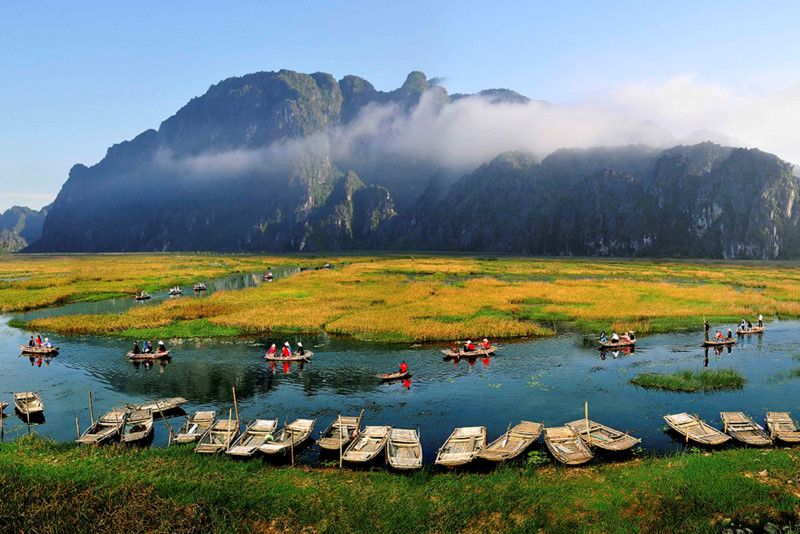
Ninh Binh is approximately two to three hours from Hanoi by road, depending on your departure point and traffic. Its limestone mountains, winding waterways, temples, and rice fields make it one of the region's most rewarding nature destinations.
For convenience, consider staying around Tam Coc, where many accommodation options provide easy access to restaurants, bicycle rentals, and nearby attractions.
Day 3: Trang An or Tam Coc
Travel from Hanoi to Ninh Binh in the morning. After checking in or leaving your luggage at your accommodation, choose between Trang An and Tam Coc for a boat excursion.
Trang An is known for its limestone formations, caves, and waterways that pass through a scenic landscape. Tam Coc offers a similarly memorable experience, with boats traveling along the Ngo Dong River through rice fields and karst scenery.
Both are worthwhile, so you do not necessarily need to visit both on the same day. Choose based on your preferred route, weather, and available time.
Spend the late afternoon cycling through the countryside or relaxing at a café overlooking the rice fields.
Day 4: Mua Cave and Hoa Lu
Start early at Mua Cave, also known as Hang Mua. The climb to the viewpoint involves a substantial number of steps, but the panoramic views over the surrounding mountains and countryside make it a popular stop for photographers.
Continue to Hoa Lu, Vietnam's former capital during the Dinh and Early Le dynasties. Its temples and historical setting provide a different perspective on the region beyond its natural scenery.
If you prefer a less active afternoon, visit a local village, cycle along quiet rural roads, or enjoy a leisurely meal featuring regional specialties such as goat meat and crispy rice.
Day 4: Mua Cave and Hoa LuTravel tip: Wear comfortable shoes for Mua Cave and bring water. Rain can make the steps slippery, so adjust your plans if conditions are poor.
Days 5–6: Cruise Through Ha Long Bay
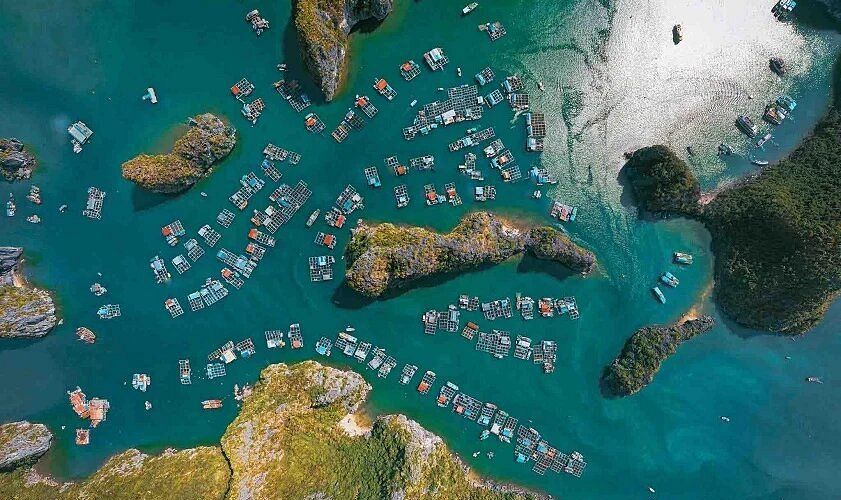
Ha Long Bay is one of Vietnam's most recognizable landscapes, famous for its towering limestone islands rising from emerald-colored water. An overnight cruise gives you more time to enjoy the scenery than a rushed day trip from Hanoi.
Day 5: Travel to Ha Long Bay and Board Your Cruise
Travel from Ninh Binh to Ha Long Bay or the relevant cruise departure port, allowing several hours for the transfer. Your exact journey depends on the operator, pickup location, and whether your cruise departs from Ha Long or the neighboring Lan Ha Bay area.
After boarding, settle into your cabin and enjoy lunch while the boat travels through the limestone formations.
Depending on the itinerary and weather, afternoon activities may include kayaking, visiting a cave, swimming in designated areas, or exploring a small island. In the evening, enjoy dinner on board and take in the quiet atmosphere of the bay.
Day 6: Enjoy the Bay Before Returning to Hanoi
Wake up early to appreciate the scenery before breakfast. Some cruises offer a short excursion or onboard activity before returning to the harbor.
After disembarking, transfer to Hanoi. Depending on your arrival time, you can enjoy dinner in the capital or spend a relaxed evening preparing for the next leg of your trip.
Important: Cruise schedules can change because of storms, strong winds, or other safety concerns. Confirm the departure port, included activities, and cancellation policy before booking. If severe weather is forecast, follow the cruise operator's and local authorities' instructions.
Days 7–9: Discover Sapa's Mountain Scenery
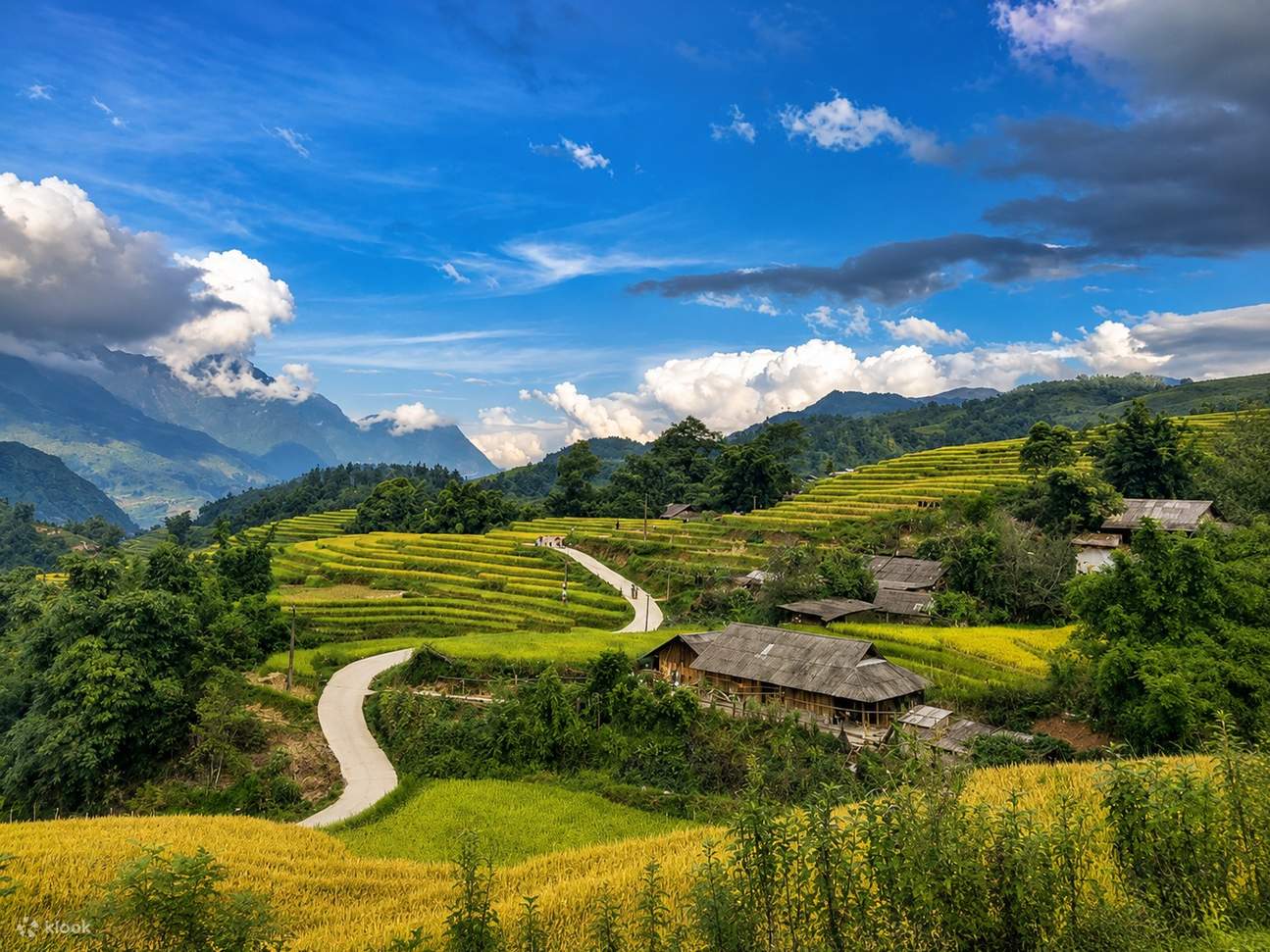
Sapa offers a dramatic change of pace from the cities and lowland countryside. Located in the northern mountains, it is known for terraced fields, misty valleys, trekking routes, and communities with distinct cultural traditions.
Travel from Hanoi to Sapa by bus or a combination of train and road transfer. The bus journey generally takes around five to six hours, although traffic and weather can affect travel time.
Day 7: Travel to Sapa and Explore the Town
Leave Hanoi early enough to reach Sapa with time to settle in. Depending on your arrival time and energy, explore Sapa town, visit the local market, or take a gentle walk around the surrounding area.
Sapa's weather can be cooler than Hanoi's, especially in the morning and evening. Bring a warm layer even if you are visiting during a warmer month.
If you prefer a more immersive experience, consider staying in a village homestay rather than in the center of town. Check the location and facilities carefully, as accommodation standards vary.
Day 8: Trek Through Rice Terraces and Local Villages
Dedicate a full day to exploring the Muong Hoa Valley or another suitable trekking area. Routes may pass terraced fields, streams, traditional houses, and villages associated with local ethnic communities.
A knowledgeable local guide can help you understand the area's cultural traditions and everyday life. Choose a route that matches your fitness level, particularly if you are not used to walking on uneven or muddy ground.
The landscape changes with the season. September and October can be attractive for golden rice terraces in some areas, while spring offers different colors and growing conditions. Harvest dates vary, so check local conditions if photography is a major reason for your visit.
Day 9: Visit Fansipan or Enjoy a Relaxed Mountain Day
Day 9: Visit Fansipan or Enjoy a Relaxed Mountain Day
Spend your final day in Sapa choosing between a mountain excursion and a slower cultural experience.
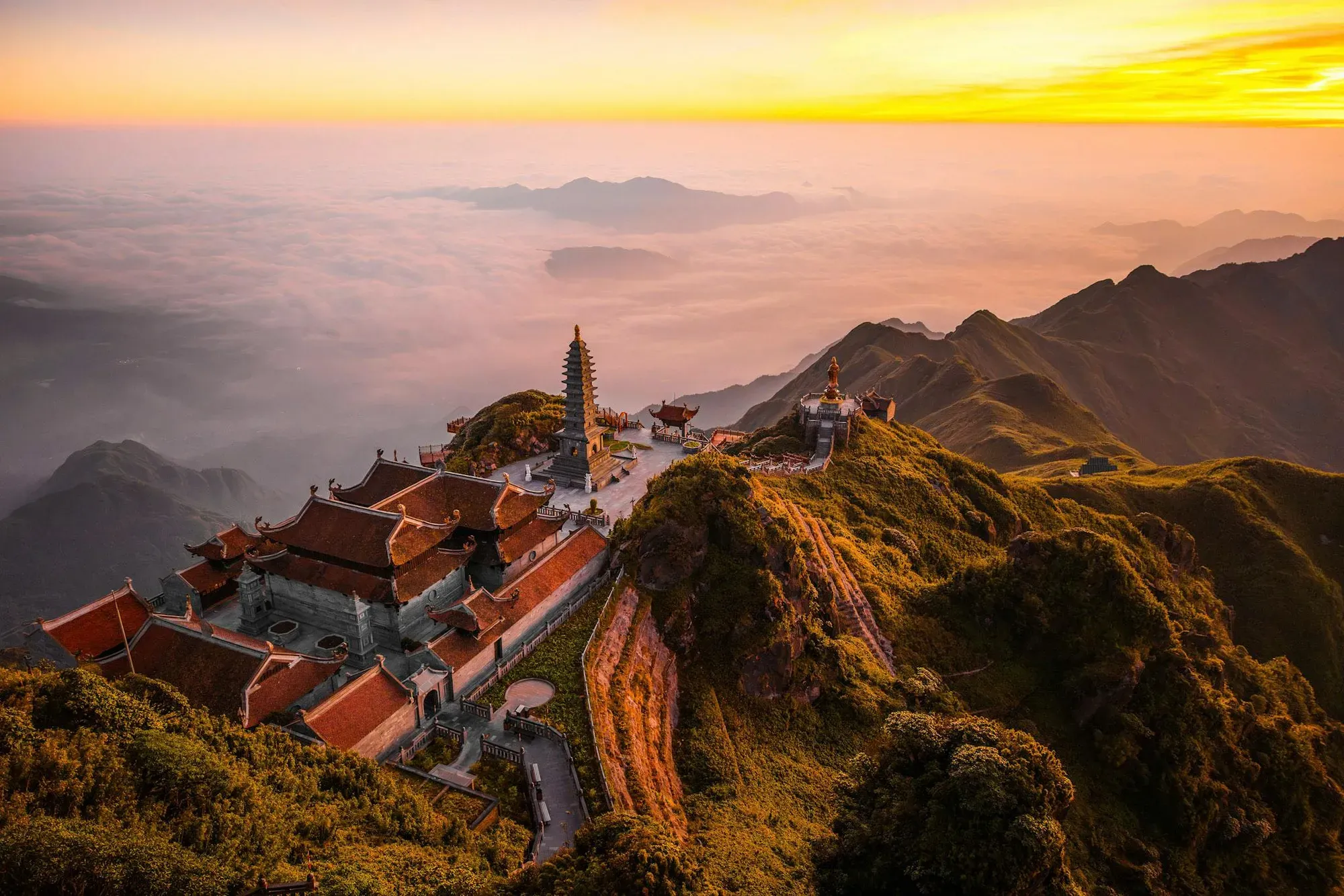
Fansipan, the highest peak in Vietnam, can be reached using a cable car and additional walking or mountain railway services, depending on your ticket and preferred route. Cloud cover and visibility can change quickly, so check conditions before committing to the trip.
Alternatively, explore another village, visit a local market if one is operating, or spend the day enjoying the mountain scenery at a relaxed pace.
In the late afternoon or evening, begin your journey back to Hanoi if your transport schedule allows. If you are taking a daytime bus, you may need to travel earlier or rearrange the itinerary to return comfortably.
Travel tip: If your international flight leaves early the next morning, do not rely on a long-distance bus arriving just a few hours before departure. Return to Hanoi the previous day and stay overnight near your preferred departure point.
Day 10: Return to Hanoi and Depart
Use your final day for departure or any activities that fit your flight schedule.
If you arrive in Hanoi the previous evening, you may have time for a relaxed breakfast, a final walk, or souvenir shopping. If you are returning from Sapa on Day 10, leave enough time for road delays and airport check-in.
For travelers with a late flight, a flexible afternoon in Hanoi can be a pleasant way to finish the trip. Avoid booking a non-refundable activity that leaves little room for unexpected delays.
How to Travel Around Northern Vietnam
You do not need to rent a motorbike or hire a private car for the entire trip. Buses, shared limousines, trains, and organized transfers can connect most major destinations.
Route
Common transport options
Approximate journey time
Hanoi to Ninh Binh
Limousine van, bus, or train
2–3 hours
Ninh Binh to Ha Long Bay
Shared transfer or private car
3.5–5 hours, depending on route
Ha Long Bay to Hanoi
Cruise transfer, shared van, or private car
2.5–4 hours
Hanoi to Sapa
Sleeper bus or train to Lao Cai plus road transfer
Around 5–8 hours, depending on mode
Sapa to Hanoi
Sleeper bus or train via Lao Cai
Around 5–8 hours, depending on mode
These are planning estimates, not guaranteed schedules. Check current departure times and travel arrangements before booking, especially when connecting between destinations.
For the most convenient experience, arrange transfers through your accommodation or a reputable operator. Independent travelers can use public transport, but they should allow extra time for transfers between stations and hotels.
How Much Does a 10-Day Northern Vietnam Trip Cost?
Your total budget depends on accommodation, transportation, activities, dining choices, and whether you prefer group tours or private experiences.
Expense category
Budget-conscious travel
Mid-range travel
Accommodation
Hostels and simple guesthouses
Private rooms and comfortable hotels
Food
Street food and local eateries
Local restaurants and selected upscale meals
Transport
Buses and shared transfers
Limousine vans and selected private transfers
Activities
Self-guided sightseeing and group excursions
Guided experiences, an overnight cruise, and private tours
Overall approach
Keep costs down and travel independently
Balance comfort with authentic local experiences
As a rough planning guide, many independent travelers may budget around US$400–800 per person for 10 days, excluding international flights, depending on room sharing and the level of comfort. An overnight cruise, private transport, and premium accommodation can push the total higher. Treat this as a starting estimate and confirm current prices before booking.
To manage your budget, reserve your cruise and long-distance transfers in advance, compare what is included in tour prices, and keep some cash for rural areas where card payments may be less convenient.
Best Time to Spend 10 Days in Northern Vietnam
Best Time to Spend 10 Days in Northern Vietnam
Northern Vietnam can be visited throughout the year, but weather influences trekking conditions, visibility, and the scenery you experience.
March–April: Often a pleasant period for city sightseeing and outdoor activities, with spring conditions in the mountains.
May–August: Warmer and more humid, with heavier rain possible. Mountain roads and outdoor activities may be affected by weather.
September–October: Popular for mountain scenery and rice terraces in some areas. Weather can still vary, and storms may affect cruises or transport.
November–February: Cooler conditions, especially in the mountains. Fog can reduce visibility, and higher-altitude destinations may feel cold.
There is no single best month for every destination. Check local forecasts close to departure, particularly if your trip includes Sapa trekking or a Ha Long Bay cruise.
Practical Tips for Your Northern Vietnam Trip
Pack for changing weather. Lightweight clothing works well in the lowlands, while Sapa may require warmer layers. A waterproof jacket and comfortable walking shoes are useful throughout the trip.
Keep your schedule flexible. Rain, road conditions, and cruise cancellations can affect travel plans. Avoid placing a long-distance transfer immediately before an important flight whenever possible.
Respect local communities. When visiting villages around Sapa, ask permission before photographing people, dress appropriately, and follow your guide's advice about local customs.
Choose trekking routes carefully. Some paths can be steep, slippery, or physically demanding. Tell your guide about your fitness level and wear suitable footwear.
Carry cash for rural stops. Larger towns offer ATMs and card payment options, but smaller businesses and village homestays may prefer cash.
Prioritize road safety. Mountain roads can be winding, and weather conditions may change quickly. If you are not an experienced and properly licensed motorbike rider, consider traveling with a professional driver or joining an organized tour instead.
Conclusion
Ten days in Northern Vietnam is enough to experience Hanoi's food and culture, Ninh Binh's limestone landscapes, Ha Long Bay's spectacular seascape, and Sapa's mountain villages without trying to cover the entire country. The key is to balance sightseeing with travel time and leave room for weather-related changes. At Tubudd, we believe local knowledge can make these experiences more meaningful, from discovering neighborhood food spots in Hanoi to understanding the traditions of mountain communities. Explore our custom tours in Vietnam to build a Northern Vietnam itinerary around your interests, pace, and travel dates.