What to Do in Hanoi for 3 Days: A Complete Itinerary
Wondering what to do in Hanoi for 3 days? Explore the Old Quarter, historic landmarks, local food, hidden cafés and authentic cultural experiences.
Planning what to do in Hanoi for 3 days gives you enough time to experience the Vietnamese capital beyond its famous landmarks. From wandering through the Old Quarter and tasting traditional street food to exploring historic temples and enjoying coffee beside a busy street, Hanoi offers a fascinating mix of history and everyday local life. At Tubudd, we recommend spending two days exploring the city’s cultural highlights and neighbourhoods, followed by a third day discovering a different side of Hanoi at a relaxed pace.
Is 3 Days Enough to Explore Hanoi?
Is 3 Days Enough to Explore Hanoi?
Yes, three days is a good amount of time for a first visit to Hanoi. You can explore the central historic districts, visit major cultural attractions, try local specialities and experience the city after dark without rushing between every landmark.
The key is to organise your itinerary by neighbourhood. Hanoi traffic can make short distances take longer than expected, so grouping nearby attractions helps you spend more time exploring and less time travelling. Vietnam's official tourism website also recommends combining the Old Quarter, Hoan Kiem Lake, historic sites and local food for a well-rounded Hanoi visit.
Here is a simple overview of how to spend three days in Hanoi:
Day
Main activities
Best for
Day 1
Hoan Kiem Lake, Old Quarter, street food and local cafés
First impressions and local life
Day 2
Ho Chi Minh Complex, Temple of Literature and historic landmarks
History and culture
Day 3
West Lake, museums, local neighbourhoods or a countryside excursion
A slower, more personalised experience
This itinerary assumes you have three reasonably full days in the city. If you arrive late or have an early departure, adjust the activities accordingly.
Day 1: Explore Hanoi's Old Quarter, Hoan Kiem Lake and Street Food
Your first day is all about getting to know Hanoi on foot. Start in the historic centre, where traditional shopfronts, street vendors, cafés and narrow streets reveal the city's everyday rhythm.
Start the Morning at Hoan Kiem Lake
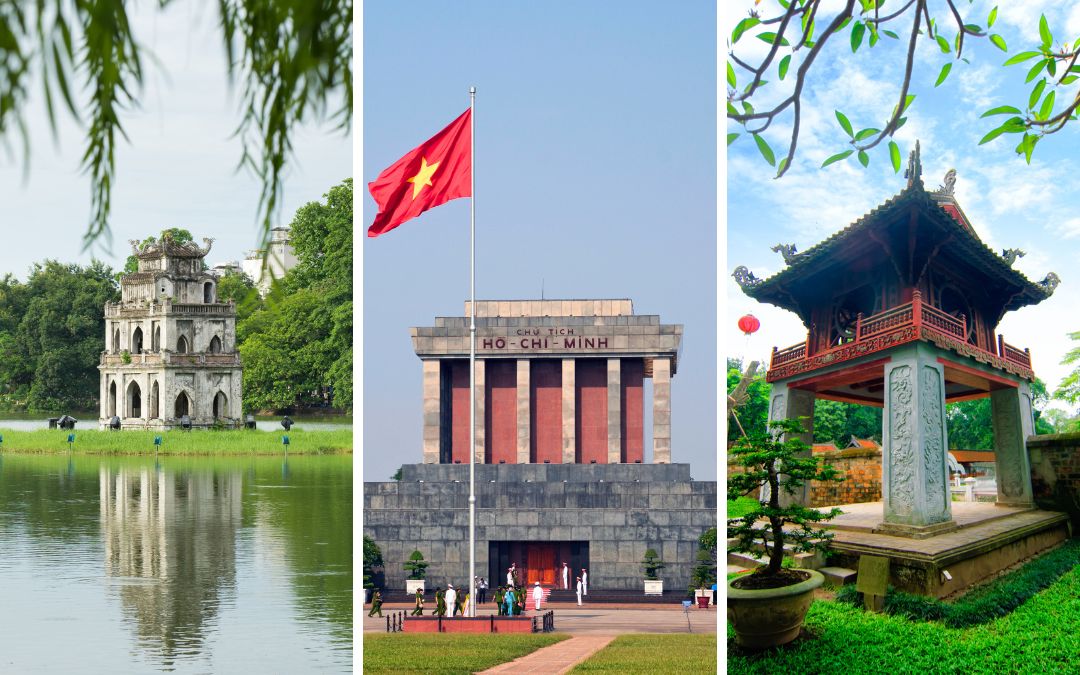
Begin your morning with a walk around Hoan Kiem Lake, one of Hanoi's best-known landmarks. Early in the day, you may see residents exercising, practising tai chi or gathering for conversations beside the water.
Cross the red The Huc Bridge to visit Ngoc Son Temple, which sits on a small island at the northern end of the lake. The combination of traditional architecture, water and greenery makes this a pleasant introduction to the city.
Allow around one to two hours for the lake and temple, depending on whether you want to take photographs or stop for coffee nearby.
Wander Through the Old Quarter
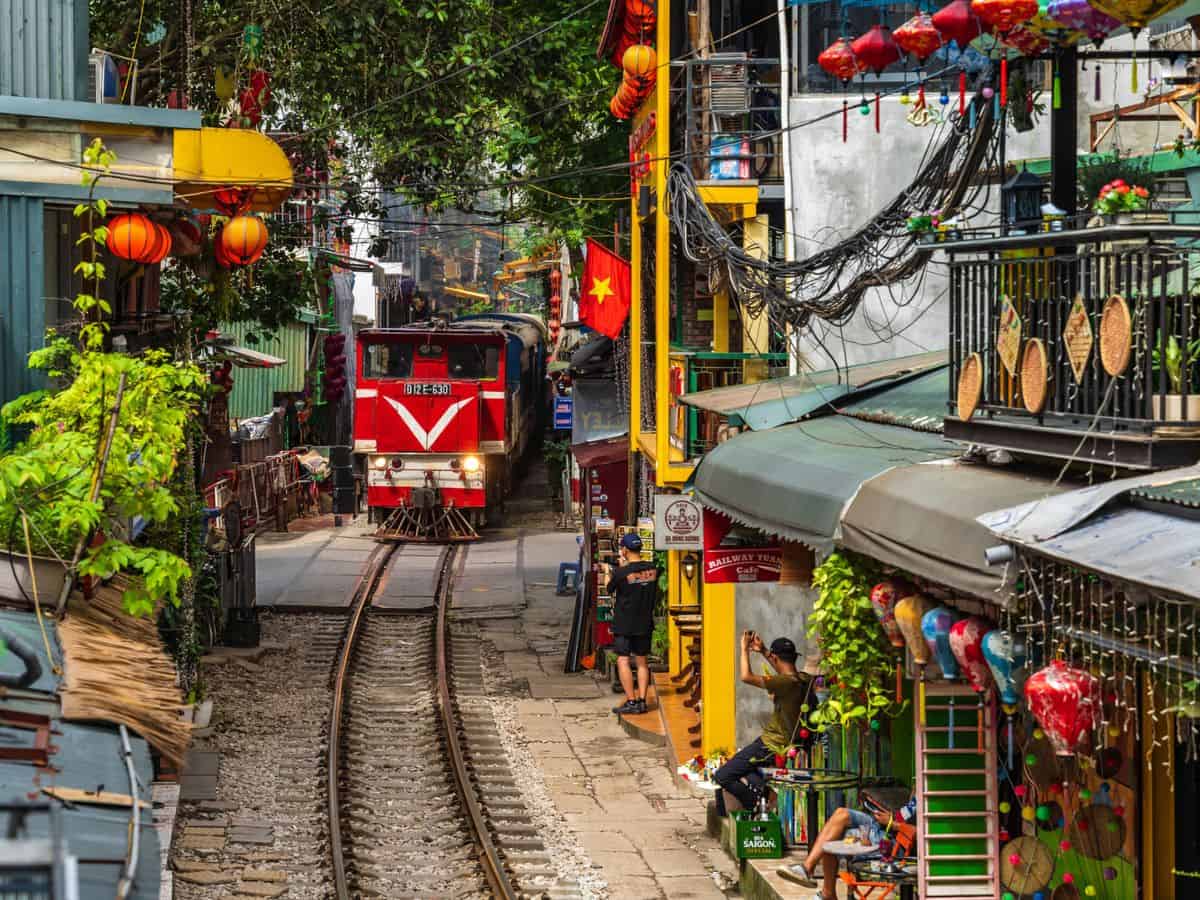
From Hoan Kiem Lake, continue into Hanoi's Old Quarter. This historic commercial district is known for its narrow streets, traditional businesses and lively pavement culture.
Rather than trying to visit every street, explore at a slower pace. Look for small shops, local markets, family-run eateries and cafés tucked away in narrow alleys.
You can also visit Dong Xuan Market to browse everyday goods and observe a different side of Hanoi's trading culture. Remember that these are working neighbourhoods, not simply tourist attractions, so be respectful when photographing residents or entering shops.
Travel tip: Wear comfortable shoes. The Old Quarter is best explored on foot, but pavements can be uneven and are often shared with parked motorbikes.
Enjoy a Traditional Hanoi Lunch
Lunch is the perfect opportunity to discover northern Vietnamese cuisine. Start with one of Hanoi's most famous dishes: bún chả, grilled pork served with rice noodles, herbs and a dipping sauce.
Other dishes worth trying include:
Phở bò: Vietnamese beef noodle soup, often enjoyed for breakfast but available throughout the day.
Bánh cuốn: Delicate steamed rice rolls filled with seasoned pork and mushrooms.
Bún thang: A traditional Hanoi noodle soup with a variety of finely prepared toppings.
Chả cá: Turmeric-marinated fish cooked with dill and served with noodles and herbs.
You do not need to visit a high-end restaurant to enjoy good Vietnamese food. Small neighbourhood eateries can offer an approachable introduction to local flavours.
Discover Hanoi's Coffee Culture
After lunch, take a break at a local café. Hanoi's coffee culture is an experience in itself, from compact street-side shops to hidden cafés above the busy streets.
Try cà phê trứng, or Vietnamese egg coffee, which combines coffee with a creamy egg-based topping. If you prefer something less rich, order a traditional iced coffee with condensed milk.
Rather than choosing a café solely for its photographs, look for one that suits your mood. A small shop with plastic stools can be just as memorable as a rooftop café overlooking the lake.
Spend the Evening Eating and Exploring
Return to the Old Quarter in the evening, when restaurants fill up and the streets take on a different atmosphere.
Consider joining a street food walk to sample several dishes in one evening. A local guide can explain the ingredients, dining customs and stories behind the food, helping you discover places you might otherwise walk past.
If you visit from Friday to Sunday, check whether the weekend pedestrian streets and night market are operating during your dates. Otherwise, enjoy a relaxed dinner and explore the neighbourhood's evening cafés.
Finish your first day with a short walk around Hoan Kiem Lake or a traditional water puppet performance, a distinctive art form associated with northern Vietnam.
Day 2: Discover Hanoi's History, Temples and French Quarter
Discover Hanoi's History, Temples and French Quarter
Day two focuses on the capital's historical landmarks and cultural heritage. Start early, as some attractions have restricted visiting hours.
Visit the Ho Chi Minh Mausoleum Complex
Begin your morning in Ba Dinh, the district associated with important events in modern Vietnamese history.
The Ho Chi Minh Mausoleum is a significant national monument. Nearby, you can explore the One Pillar Pagoda, the Presidential Palace grounds and Ho Chi Minh's stilt house, subject to the opening arrangements for each site.
Allow approximately two to three hours for the wider complex. Check the official visiting schedule before you go because opening days, hours and maintenance closures can affect access.
Dress respectfully and follow security instructions. If visiting the mausoleum itself is a priority, arrive early and avoid scheduling another timed activity immediately afterwards.
Explore the Temple of Literature
Continue to the Temple of Literature, a historic complex associated with Confucian learning and Vietnam's educational heritage.
Founded in 1070, the site later became home to the Imperial Academy, traditionally recognised as Vietnam's first national university. Its courtyards, traditional buildings and stone steles provide insight into the importance of scholarship in Vietnamese history.
Spend around one to one and a half hours exploring the grounds. The temple is also a good place to slow down after the busy streets of central Hanoi.
Visit the Imperial Citadel of Thang Long
If you are interested in history, make time for the Imperial Citadel of Thang Long. This UNESCO World Heritage Site preserves archaeological remains and historic structures associated with successive periods of Vietnamese political life.
The site offers a different perspective from the temples and neighbourhoods you have already visited. Instead of focusing on religious traditions or daily life, it helps explain how Hanoi developed as a political centre.
Allow around one to two hours, depending on your interest in the exhibitions and archaeological areas. Check the current visitor information before planning your route.
Explore the French Quarter
In the afternoon, head towards the French Quarter, known for its broad streets, colonial-era architecture and more spacious urban layout.
Walk around the Hanoi Opera House and nearby streets, stopping at a café or restaurant along the way. The area offers a contrast to the narrow lanes of the Old Quarter and is a good place to enjoy a quieter afternoon.
You can also visit Hoa Lo Prison Museum if you want to learn more about Vietnam's colonial and wartime history. Because the subject matter can be emotionally intense, allow enough time to read the exhibits rather than treating the museum as a quick stop.
Finish the Day with a Water Puppet Show
In the evening, consider watching a traditional water puppet performance. The art form uses wooden puppets on a water stage and often tells stories inspired by village life, folklore and Vietnamese traditions.
Book tickets in advance if the show is important to your plans, and check the current performance schedule.
Afterwards, enjoy dinner at a local restaurant or return to the Old Quarter for a final evening walk.
Day 3: Experience Local Life Around West Lake or Take a Day Trip
For your final day, choose between exploring another side of Hanoi or spending the day outside the city. Your best option depends on whether you prefer a relaxed urban experience or a change of scenery.
West Lake offers a slower atmosphere than the central tourist districts. Begin with Tran Quoc Pagoda, a historic Buddhist pagoda located beside the lake, then explore the surrounding streets.
Continue towards Truc Bach Lake for a coffee stop or a meal. This neighbourhood is a good place to try phở cuốn, fresh rice-paper rolls filled with beef and herbs, a dish associated with the Truc Bach area.
You can spend the rest of the morning wandering along the waterfront, browsing small shops or simply enjoying the city without following a strict checklist.
This option works particularly well if you want to avoid spending too much time in traffic.
Option B: Visit the Vietnam Museum of Ethnology
If you want to understand Vietnam's cultural diversity, visit the Vietnam Museum of Ethnology. Its exhibitions introduce the traditions, clothing, homes and everyday objects of the country's 54 officially recognised ethnic groups.
The museum is outside the central Old Quarter, so plan transport accordingly. Allow around two hours or longer if you enjoy reading the displays and exploring the outdoor exhibits.
Pair the museum with lunch nearby before returning to central Hanoi for a relaxed afternoon.
Option C: Take a Day Trip to Ninh Binh
If you have already explored Hanoi on a previous visit, consider spending your third day in Ninh Binh, a destination known for limestone landscapes, rivers and historic sites.
Popular activities include a boat trip through Trang An, a visit to Hoa Lu Ancient Capital or climbing to the viewpoint at Hang Mua.
A day trip usually requires an early departure and several hours of transport, so it will feel more like a full excursion than a relaxed day in Hanoi. Check the forecast before travelling, particularly if you plan to climb viewpoints or take a boat tour.
Choose this option if countryside scenery is a priority. If this is your first visit and you want to experience Hanoi itself, staying in the city for all three days is equally worthwhile.
What Food Should You Try During 3 Days in Hanoi?
Food is one of the easiest ways to experience Hanoi's local culture. Rather than trying to eat everything in one day, spread your food discoveries across the itinerary.
Dish
What to expect
When to try it
Phở bò
Beef noodle soup with fragrant broth and herbs
Breakfast
Bún chả
Grilled pork, rice noodles and dipping sauce
Lunch
Bánh cuốn
Steamed rice rolls with savoury filling
Breakfast or a light meal
Chả cá
Turmeric fish, dill, herbs and noodles
Lunch or dinner
Phở cuốn
Fresh rice-paper rolls with beef and herbs
Lunch or a snack
Cà phê trứng
Coffee topped with a creamy egg mixture
Afternoon break
If you have dietary restrictions or allergies, communicate them clearly before ordering. Ingredients and preparation methods vary between restaurants, especially at small street-food stalls.
How Much Does a 3-Day Hanoi Trip Cost?
Your budget depends on accommodation, transport, dining choices and which attractions you visit. The following figures are planning estimates per person, excluding international flights.
Travel style
Estimated daily budget
Estimated total for 3 days
Budget
US$25–45
US$75–135
Mid-range
US$50–100
US$150–300
Higher-end
US$120+
US$360+
These are indicative ranges rather than fixed prices. Your total may be higher if you stay at a premium hotel, book private tours, visit several paid attractions or take a day trip to Ninh Binh.
To manage your spending, stay in or near the Old Quarter, walk between central attractions where practical and mix street food with restaurant meals. Check current admission fees and transport prices before departure.
Practical Tips for Visiting Hanoi for 3 Days
Practical Tips for Visiting Hanoi for 3 DaysChoose accommodation strategically. Staying near the Old Quarter or Hoan Kiem Lake makes it easier to reach many central attractions on foot.
Check opening schedules. The Ho Chi Minh Mausoleum and some museums have specific visiting days, hours or temporary closures. Verify details before finalising your itinerary.
Prepare for traffic. Allow extra time for journeys across the city, especially during busy periods. Walking is often convenient within the historic centre, but use a reputable transport service for longer distances.
Carry cash for small purchases. Many businesses accept digital payments or cards, but smaller food stalls and market vendors may prefer cash.
Be respectful when taking photographs. Ask permission before photographing people closely, particularly in residential streets, religious sites or small businesses.
Keep your plans flexible. Rain, heat or unexpected closures may change your day. A nearby café, museum or market can be a useful alternative when outdoor sightseeing becomes less comfortable.
Conclusion
Three days in Hanoi gives you a rewarding introduction to the city's history, food culture and everyday life. Spend your first day exploring Hoan Kiem Lake and the Old Quarter, dedicate the second to historical landmarks and cultural attractions, then use the final day to discover West Lake, visit a museum or explore the countryside around Ninh Binh. To make the experience more personal, consider exploring with someone who understands the city's neighbourhoods, traditions and hidden food spots. At Tubudd, we connect travellers with local knowledge and personalised experiences. Discover our custom tours in Vietnam to build an itinerary around your interests.