Why Snail Vietnamese Street Food Is One of the Most Exciting Culinary Experiences in Vietnam
Discover snail Vietnamese street food culture, popular snail dishes, how locals eat them, and where travelers can enjoy authentic snail restaurants in Vietnam.
Snail Vietnamese cuisine may seem unusual at first, but for many locals, it is one of the most flavorful and social street food experiences in Vietnam.
What Makes Snail Vietnamese Cuisine So Popular?
What Makes Snail Vietnamese Cuisine So Popular?
In Vietnam, snails are not considered exotic luxury food. Instead, they are part of a lively street food culture deeply connected to evening gatherings, casual dining, and social interaction. Known locally as “ốc,” snail dishes are especially popular in cities such as Ho Chi Minh City and Hanoi, where small snail eateries become crowded after sunset.
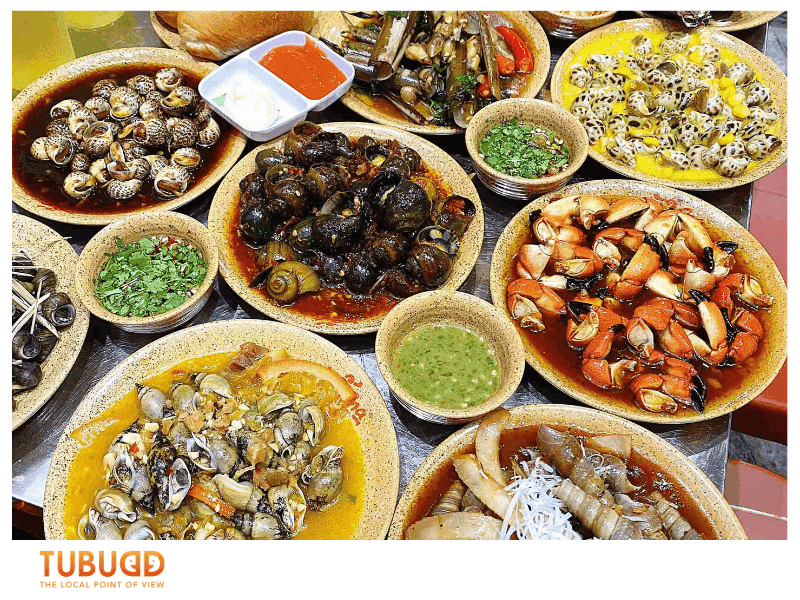
What makes snail Vietnamese food culture unique is the variety of preparation methods. Instead of serving snails in only one style, Vietnamese cuisine transforms them through grilling, steaming, stir-frying, and cooking with sauces ranging from buttery garlic to spicy tamarind. The snails themselves vary in size and texture, creating an experience that feels more diverse than many travelers initially expect.
More importantly, eating snails in Vietnam is often about the atmosphere as much as the food itself. Friends gather around small tables, sharing plates of seafood, dipping sauces, herbs, and drinks while spending hours talking together. The meal feels interactive, noisy, and communal rather than formal.
For travelers who want to experience authentic snail culture instead of tourist-focused seafood restaurants, exploring local snail streets with a Tubudd local buddy can help you discover hidden spots where locals actually gather at night.
Most Popular Snail Vietnamese Dishes You Should Try
Most Popular Snail Vietnamese Dishes You Should TryVietnamese snail cuisine includes far more than boiled snails. Each region has developed its own techniques and flavor combinations, creating a surprisingly wide range of dishes.
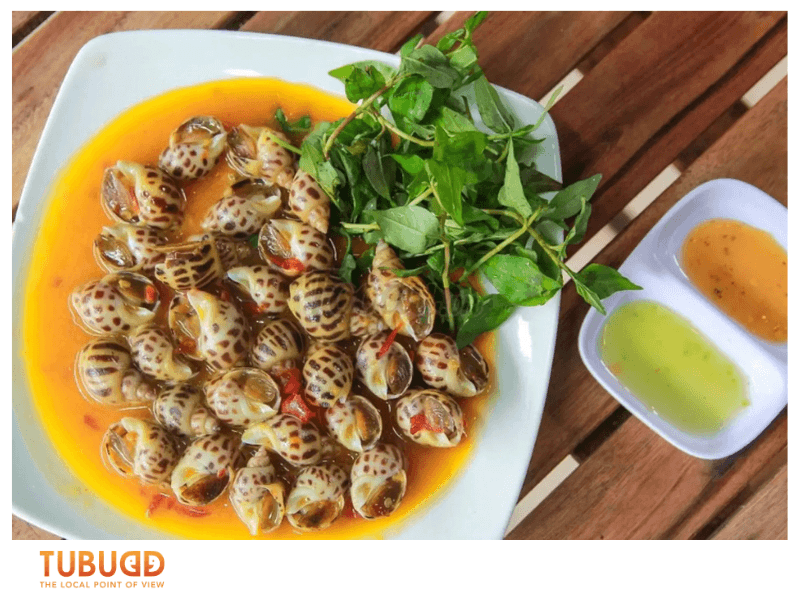
One of the most famous is ốc hương rang muối ớt, sea snails stir-fried with salt and chili. This dish balances spicy, salty, and slightly sweet flavors while maintaining the chewy texture of the snail.
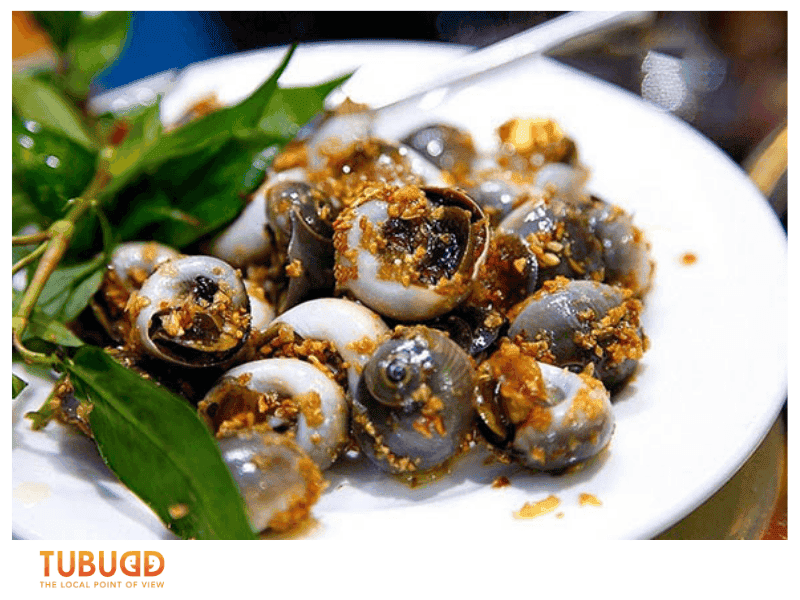
Another popular option is snails cooked with garlic butter, where rich buttery sauce combines with fried garlic and herbs. This version is especially common in southern Vietnam and tends to be more approachable for first-time visitors.
Tamarind snails are also widely loved. The sweet and sour tamarind sauce creates a sticky glaze that pairs well with seafood flavors and makes the dish highly addictive.
In northern regions, smaller freshwater snails are often steamed with lemongrass and dipped into fish sauce mixed with ginger and chili. These dishes focus more on natural flavor and aromatic herbs rather than heavy seasoning.
Some restaurants even serve grilled snails topped with scallion oil, peanuts, or cheese, showing how modern Vietnamese street food continues experimenting with flavors while preserving local identity.
How Locals Eat Snail Vietnamese Street Food
How Locals Eat Snail Vietnamese Street Food
Eating snail Vietnamese dishes requires a slower and more interactive dining style than many travelers expect. Unlike fast meals focused on convenience, snail dining is meant to be social and leisurely.
Many snail dishes require small tools such as toothpicks or metal picks to extract the meat from shells. Locals often eat gradually while talking, drinking, and sharing multiple plates over a long evening.
Dipping sauces are extremely important. Fish sauce mixed with chili, lime, ginger, or lemongrass can dramatically change the flavor profile of each bite. Herbs and pickled vegetables are also commonly served alongside snail dishes to balance richness and texture.
In Ho Chi Minh City, snail restaurants are often lively and energetic, with dozens of dishes available at once. Meanwhile, in Hanoi, snail culture can feel more traditional and focused on specific regional preparations.
Understanding this dining rhythm helps travelers appreciate snail cuisine as a cultural experience rather than simply a seafood dish.
Tips for Travelers Trying Snail Vietnamese Food for the First Time
For first-time visitors, starting with sea snails cooked in butter garlic or tamarind sauce is usually the easiest introduction because the flavors are familiar and balanced.
Choose busy restaurants with high customer turnover, as freshness is extremely important for seafood dishes.
Do not hesitate to ask locals or staff how to eat certain snails, especially if shells require specific techniques to open properly.
It is also worth sharing several dishes instead of ordering only one type. Vietnamese snail culture revolves around variety, allowing diners to compare textures, sauces, and cooking styles in the same meal.
If you are unsure where to begin, joining a local street food experience can help you navigate menus, understand regional specialties, and avoid tourist traps.
Conclusion
Snail Vietnamese cuisine is one of the most unique and social food experiences in Vietnam. From spicy stir-fried sea snails to steamed freshwater varieties served with aromatic herbs, each dish reflects the creativity and communal spirit of Vietnamese street food culture.
If you want to experience authentic snail restaurants, hidden seafood alleys, and real local nightlife beyond typical tourist areas, exploring with a Tubudd local buddy or joining a Tubudd food tour can help you discover a side of Vietnam that many travelers never fully experience.