Durian Vietnam: What You Need to Know Before Trying the King of Fruits
Discover durian Vietnam, including its varieties, taste, where it’s grown, and what travelers should know before trying this famous tropical fruit.
Durian Vietnam is one of the most talked about fruits in Southeast Asia. Loved by many and avoided by others, this fruit offers a unique taste and cultural experience.
What Is Durian and Why Is It Famous in Vietnam
What Is Durian and Why Is It Famous in VietnamDurian is a tropical fruit known for its large size, spiky shell, and strong smell. In Vietnam, durian is widely consumed and considered a premium fruit. It is often referred to as the “king of fruits” in Southeast Asia due to its rich texture and distinctive flavor.
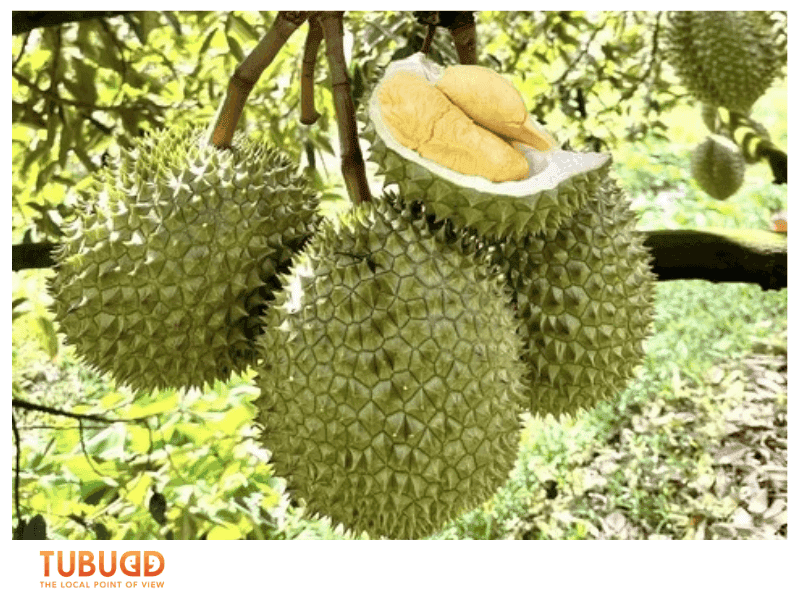
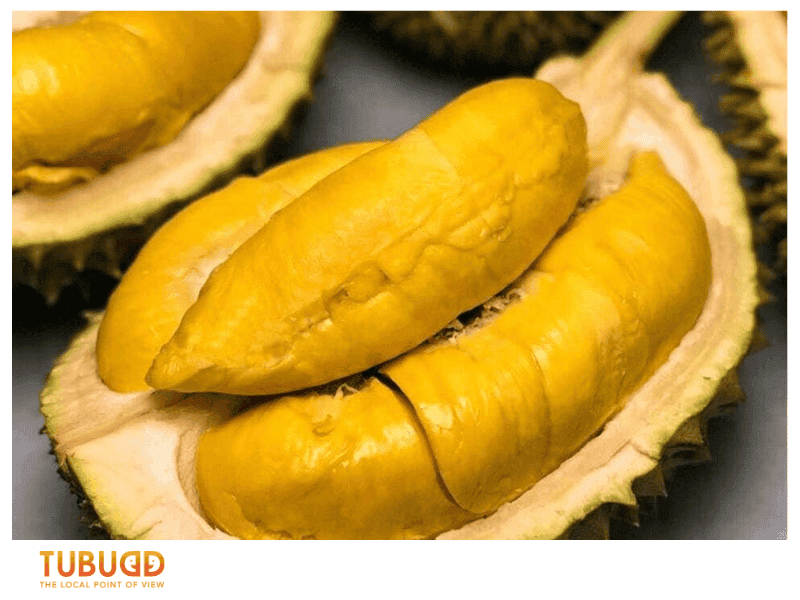
The fruit has a thick outer shell covered in sharp spikes. Inside, it contains several segments of soft flesh that range in color from pale yellow to deep golden. The texture is creamy, often compared to custard, and the taste can be described as a mix of sweet, slightly bitter, and nutty notes.
Durian’s strong aroma is well known and can be overwhelming for first time visitors. Because of this, it is sometimes restricted in hotels, airplanes, and public transport.
Where Durian Is Grown in Vietnam
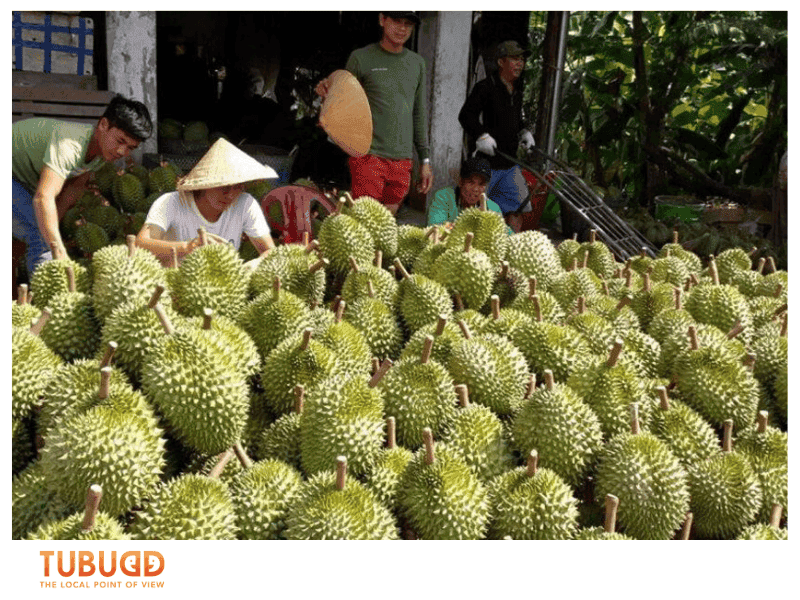
Durian is mainly grown in southern Vietnam, where the tropical climate provides the right conditions for cultivation. Key growing regions include the Central Highlands and the Mekong Delta.
Provinces such as Dak Lak Province and Tien Giang Province are among the most important production areas. These regions have fertile soil and consistent rainfall, which support high quality durian farming.
Durian is typically harvested during the main season from around May to August, although exact timing can vary depending on weather conditions and specific varieties.
Common Durian Varieties in Vietnam
Common Durian Varieties in Vietnam
Vietnam grows several durian varieties, each with slightly different characteristics. Ri6 is one of the most popular types, known for its bright yellow flesh, smooth texture, and balanced sweetness. It is widely available in local markets.
Another common variety is Monthong, originally from Thailand but now cultivated in Vietnam. It has a milder aroma compared to some local varieties and is often recommended for first time eaters.
These varieties are sold fresh, and quality can vary depending on ripeness and handling. When buying durian, locals often rely on experienced sellers to select ripe fruits.
How to Eat Durian and What to Expect
How to Eat Durian and What to ExpectDurian is usually eaten fresh. Vendors often open the fruit for you, making it easier to access the flesh inside. It is best consumed shortly after opening to maintain freshness.
The taste experience can vary widely from person to person. Some people find it rich and delicious, while others may find the smell too strong. It is generally recommended to try a small portion first if you are new to durian.
Durian is also used in desserts such as ice cream, cakes, and sweet soups. These processed forms often have a milder aroma, making them more approachable for beginners.
Important Tips for Travelers
When trying durian in Vietnam, there are a few practical considerations. First, be aware of the smell, especially if you are staying in hotels or using shared transport. Many places prohibit bringing durian indoors.
Second, durian is relatively high in natural sugars and fats compared to other fruits, so it is best consumed in moderation. Drinking water after eating durian is common practice.
If you want to explore local fruit markets or learn how to choose high quality durian, visiting with a local buddy can be helpful. In cities like Ho Chi Minh City, markets often have a wide selection during peak season.
Conclusion
Durian Vietnam offers a unique and memorable food experience. With its rich texture, complex flavor, and strong aroma, it stands out as one of the most distinctive fruits in the region. Whether you enjoy it fresh or in desserts, trying durian is a cultural experience that reflects Vietnam’s tropical agriculture and food traditions.